
Blue Corner Dive
Gallery 5 photos
About
Blue Corner Dive sits right on the sand north of Jungutbatu village on Nusa Lembongan, a short boat ride from some of the most celebrated dive sites in Indonesia. Named after the notorious drift site off Lembongan, the centre runs daily trips into the Nusa Penida Marine Protected Area, taking in reefs around Lembongan, Ceningan and Penida as well as Manta Point on Penida’s south coast.
It is a PADI five-star centre that teaches from first-time Discover Scuba sessions all the way through to instructor courses, and it also offers freediving and snorkelling. Conservation is a big part of its identity: the centre holds an Adopt the Blue award, runs reef health monitoring and has a marine biologist on site, so divers can get involved in more than just sightseeing.
What to expect
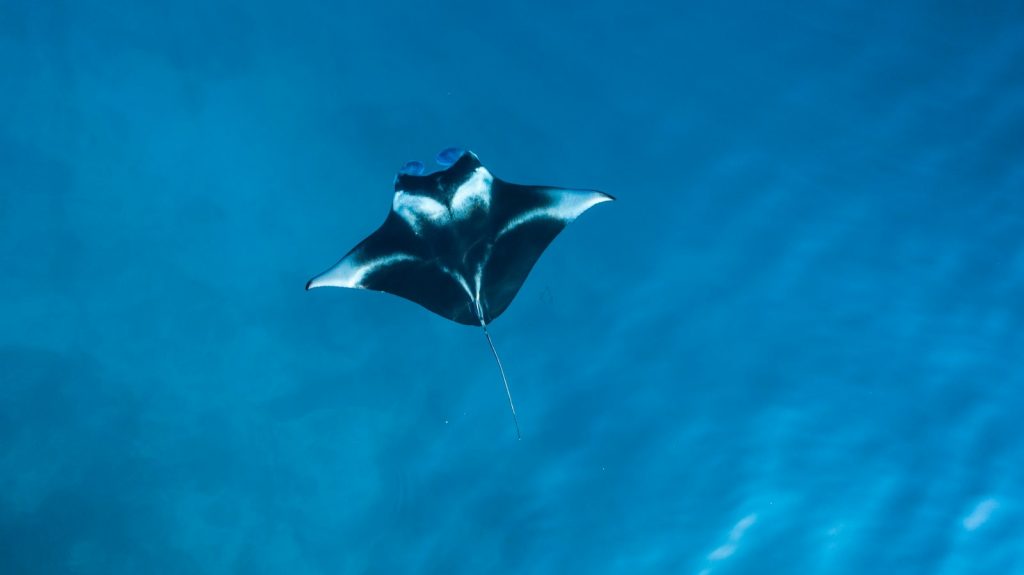
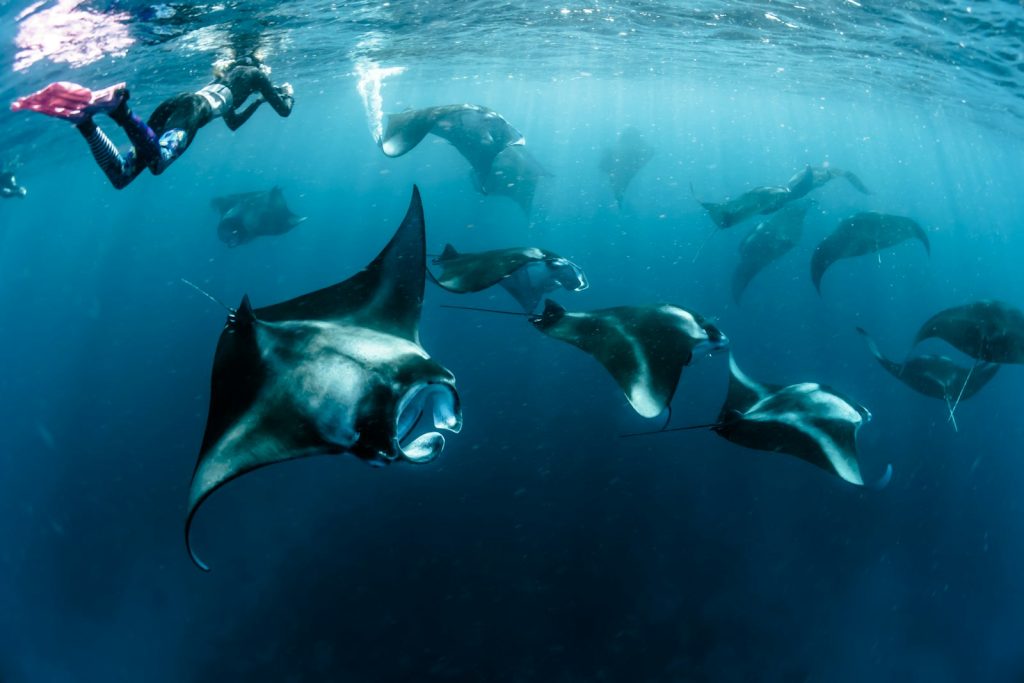
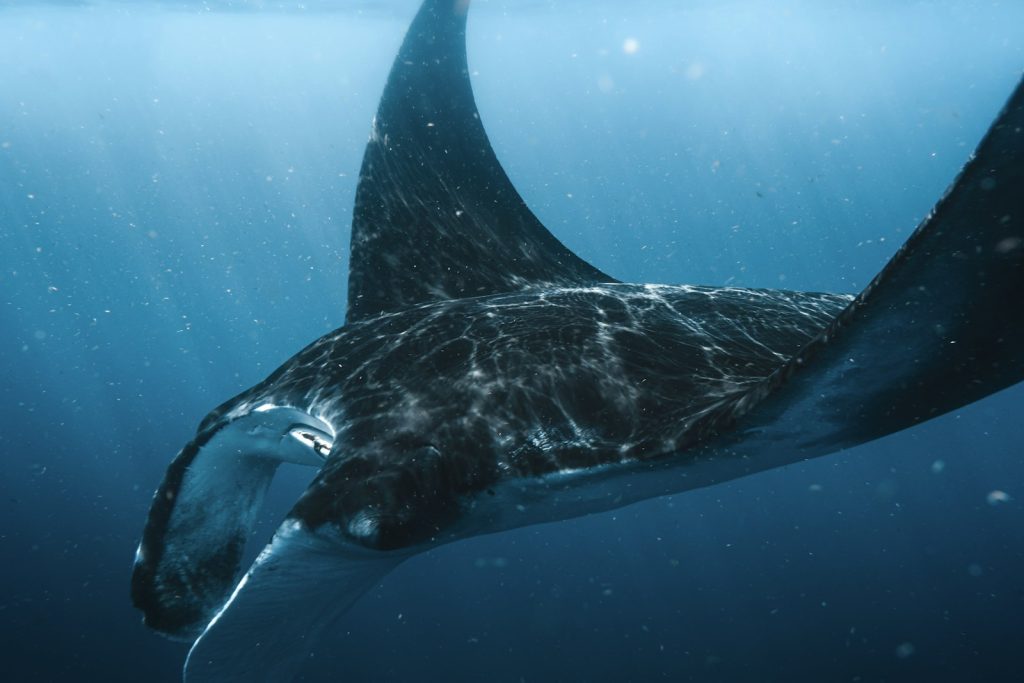
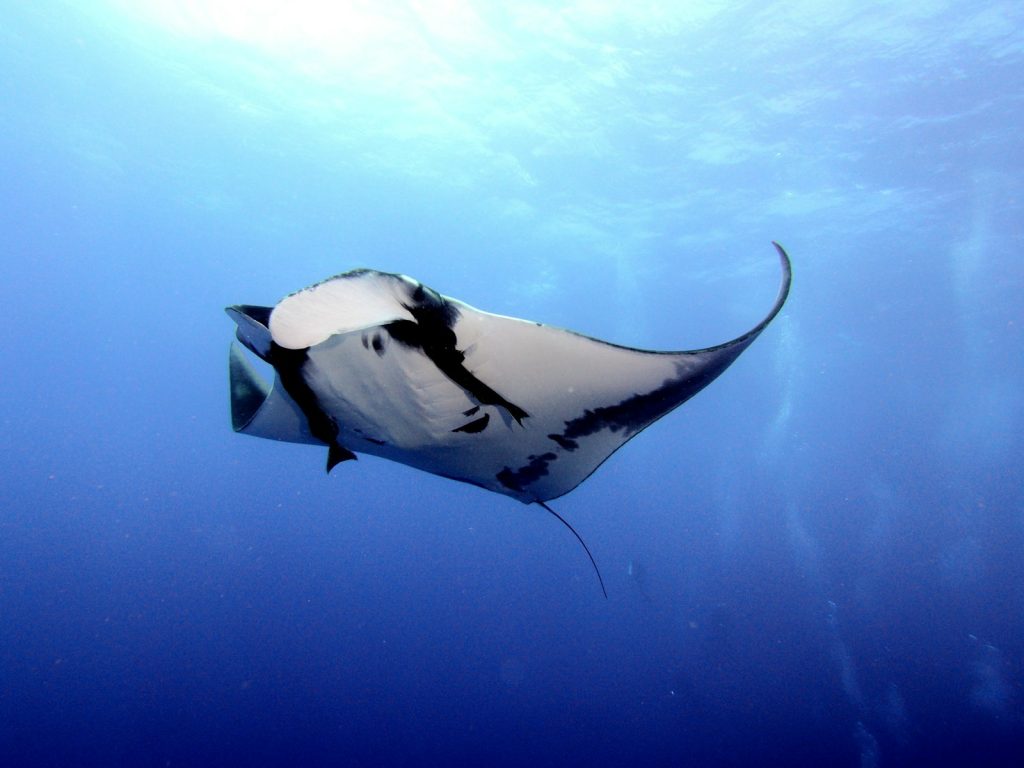
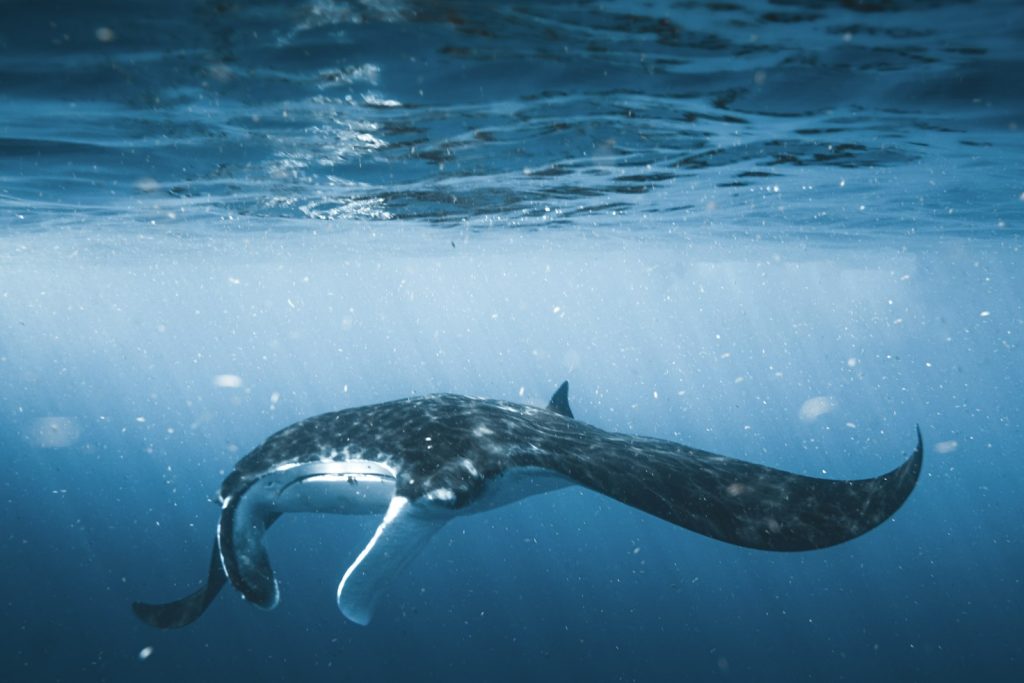
Days start early with boat trips to two or three sites, chosen for conditions and experience. Manta Point is the headline: reef mantas visit cleaning stations there year-round. Crystal Bay and Blue Corner are known for oceanic sunfish (mola mola), usually in the cooler months from around July to October. Other regular sightings include turtles, nurse sharks, pygmy seahorses and clownfish. Between dives, the centre’s saltwater training pool and classrooms are used for courses.
Beginners can start with a pool session and a gentle reef dive before trying the more challenging drift sites, while experienced divers can join the centre’s regular runs to the currents around Nusa Penida.
Packages & prices
Fun-dive and course prices are listed on the official website (which could not be retrieved for this listing), so check there or contact the centre directly. Options include:
- Fun diving – daily boat trips around Lembongan, Ceningan and Penida.
- PADI courses – from beginner through instructor development.
- Freediving – PADI freediver courses.
- Snorkelling – guided trips for non-divers.
- Stay – bungalows at the dive centre for dive packages.
Safety & requirements
Nusa Penida is known for strong, unpredictable currents and sudden down-currents at some sites, and the water can be surprisingly cold when upwellings bring mola mola in. Divers should match sites to their certification and experience, listen to briefings, and carry a surface marker buoy. Snorkellers should stay close to guides. Equipment rental, air fills and Nitrox are available on site.
Tips
- Bring a thicker wetsuit (5 mm) if you plan to chase mola mola in July–October.
- Log your certification card and last dive date before arrival.
- Stay on Lembongan to avoid the early crossing from Bali.
- Allow 24 hours without diving before flying home.
- Ask about joining reef-monitoring dives if you are interested in conservation.
Lembongan itself is a relaxed island to stay on, with mangrove tours, cliff-top bars and seaweed farms to explore between dives. Many divers base themselves here for a week, combining a course with fun dives and a few lazy afternoons by the sea.
Why we love it
- Beachfront base on Nusa Lembongan
- Manta Point and mola mola sites
- PADI five-star, courses to instructor
- Freediving and snorkelling
- Reef monitoring and Adopt the Blue award
- On-site training pool
Know before you go
Getting there
Take a fast boat from Sanur to Jungutbatu on Nusa Lembongan (about 30–40 minutes). The centre is on the beach north of the village; most Lembongan hotels are a short scooter or golf-buggy ride away.