
Garuda Wisnu Kencana Cultural Park
Gallery 3 photos
About
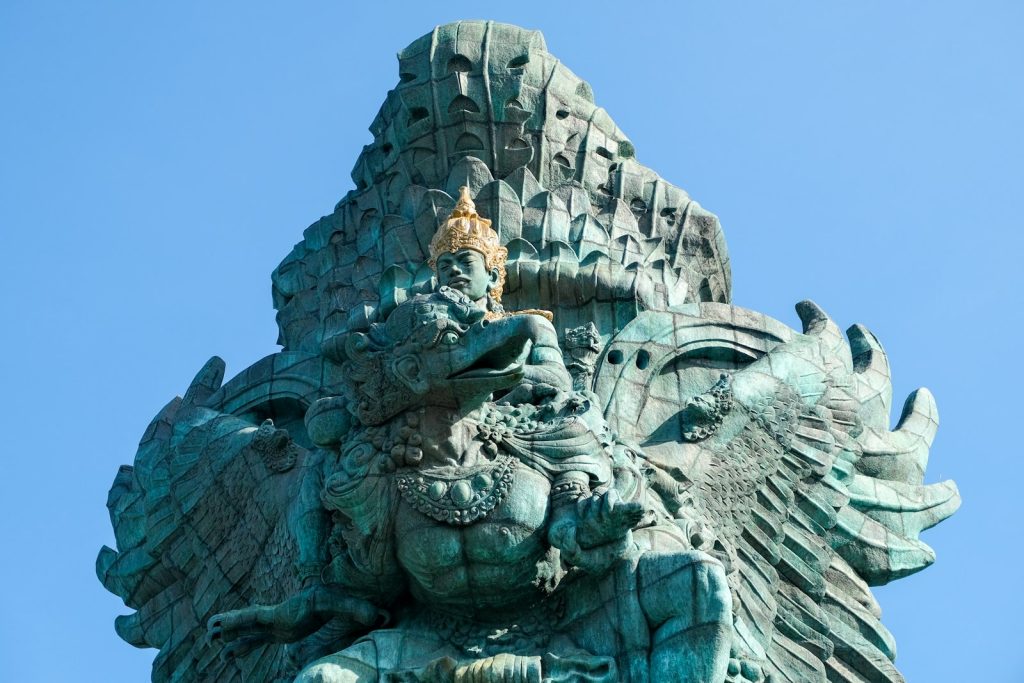
Garuda Wisnu Kencana (GWK) Cultural Park occupies a former limestone quarry high on the Bukit Peninsula in Ungasan, between Jimbaran and Uluwatu. Its centrepiece is one of the tallest statues in the world: a copper-and-brass figure of the Hindu god Vishnu (Wisnu) riding the mythical eagle Garuda, rising about 121 metres from the base of its pedestal and visible from much of South Bali and from planes landing at the airport.
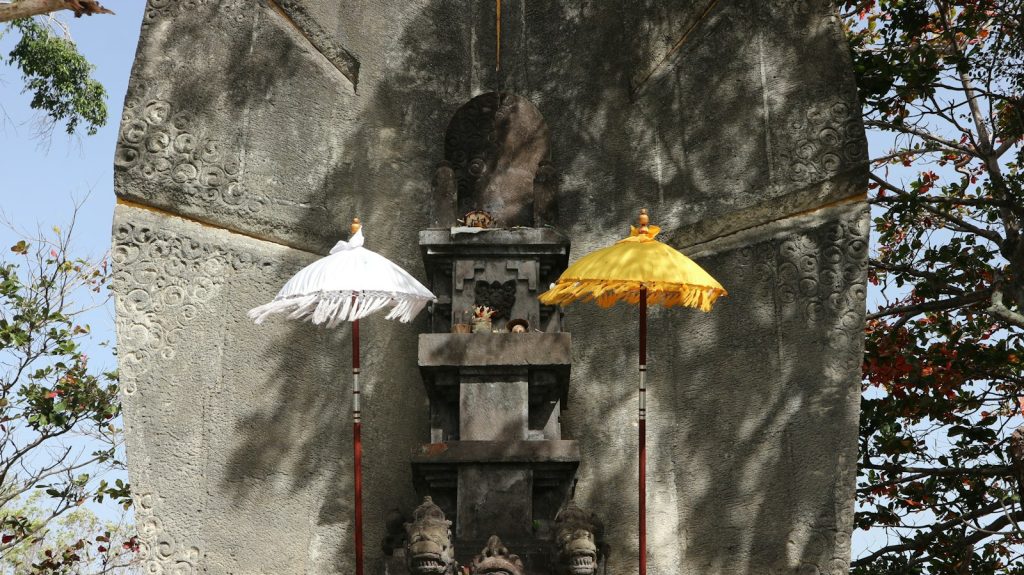
Around the statue, the park’s huge open plazas are framed by towering cut limestone walls, creating dramatic corridors and amphitheatres. Daily cultural performances, restaurants, festivals and events make GWK a full-afternoon outing, especially popular with families and first-time visitors.
History & meaning
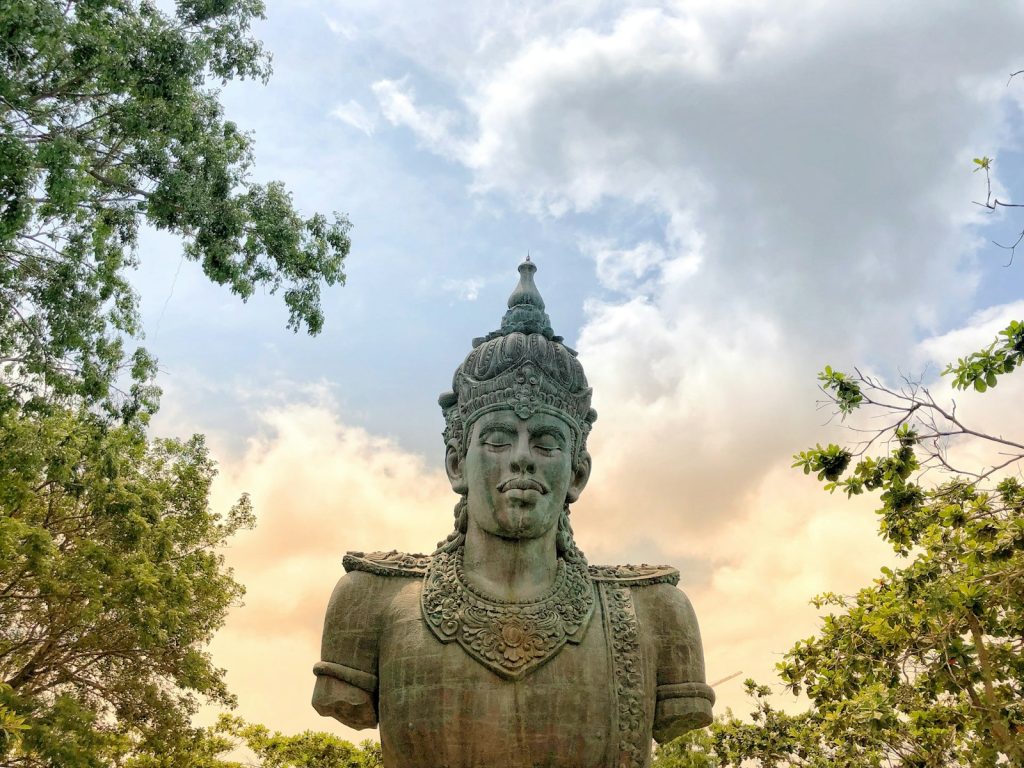
The statue was designed by Balinese sculptor I Nyoman Nuarta. The project was conceived in the late 1980s, but funding problems stalled it for years, leaving only the head and torso sections on display. Work resumed in the 2010s and the completed monument was unveiled in 2018. The story it depicts comes from Hindu mythology: Garuda, who carried the elixir of immortality (amerta) to free his mother from slavery, became the mount of Vishnu, the preserver. The Garuda is also the national emblem of Indonesia, and the statue is intended as a symbol of Balinese and Indonesian identity.
What to see
- The GWK statue, walk around the base and, on the paid Top of Statue tour, ride up for views over the Bukit and the coast.
- Plaza Wisnu and Plaza Garuda, earlier statue sections displayed among the limestone walls.
- Lotus Pond, a vast open plaza enclosed by carved limestone pillars, used for concerts and events.
- Amphitheatre, regular performances of traditional dances such as Barong and Kecak-inspired shows.
- Street Theatre and parade-style performances through the day.
How to visit
- Buy tickets online via the official GWK ticketing site or at the gate; the Top of Statue experience is an optional upgrade with limited capacity.
- The park is large and exposed. Free shuttles and paid buggies connect the main zones.
- Check the performance schedule on arrival and plan your route around it.
- Visit in the late afternoon: it’s cooler, the light on the limestone is beautiful and the statue is illuminated after dark.
- Major events such as the New Year countdown and Ogoh-Ogoh parades draw big crowds.
Etiquette & dress
GWK isn’t a temple, so casual clothes are fine, but there are small shrines within the park, don’t climb on them or step over offerings. Bring a hat, sunscreen and water, as shade is limited. Drones require permission. Be respectful during performances: no flash photography and don’t walk across the stage area.
Families will find plenty of space for children to run around, and the restaurants inside provide shade and refreshments between shows. Allow extra time on weekends and public holidays, when domestic visitors fill the park.
Combine it with
- Uluwatu Temple and its sunset Kecak, 20 minutes away.
- Melasti and Pandawa beaches, 15 minutes south.
- Jimbaran Bay seafood dinners on the sand.
- The Bukit’s clifftop beach clubs for sunset drinks.
Good to Know
- 121-metre statue of Vishnu on Garuda
- Optional Top of Statue tour for views
- Daily traditional dance performances
- Visit late afternoon for cooler weather and lights
- Shuttles and buggies cover the large site
- Book tickets on the official GWK site
Know Before You Go
Getting there
GWK is on Jl. Raya Uluwatu in Ungasan, about 15 minutes from Jimbaran, 20 minutes from Nusa Dua or Uluwatu and 30–45 minutes from Kuta. There's a large car park at the entrance; Grab and Gojek drop-offs are easy.
Location
More Places to See

The still-inhabited palace of Ubud's royal family, open for visitors to admire its carved gateways and…
Discover
A monumental museum in Renon park, Denpasar, tracing Balinese history through dioramas inside a building shaped…
Discover
The former royal court of the Klungkung kingdom, famous for its ceilings painted in the traditional…
Discover