
Jatiluwih Rice Terraces
Gallery 5 photos

About
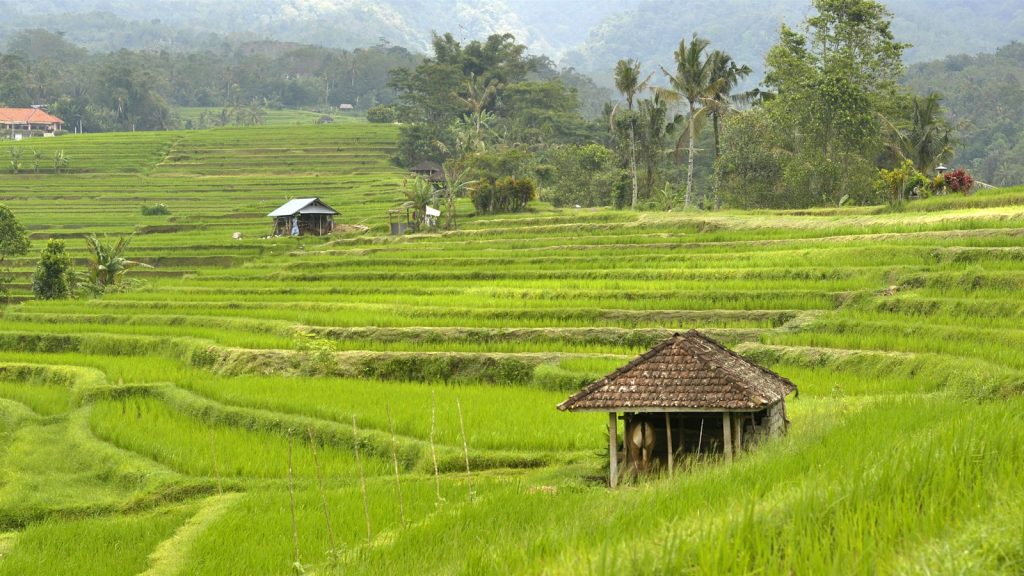
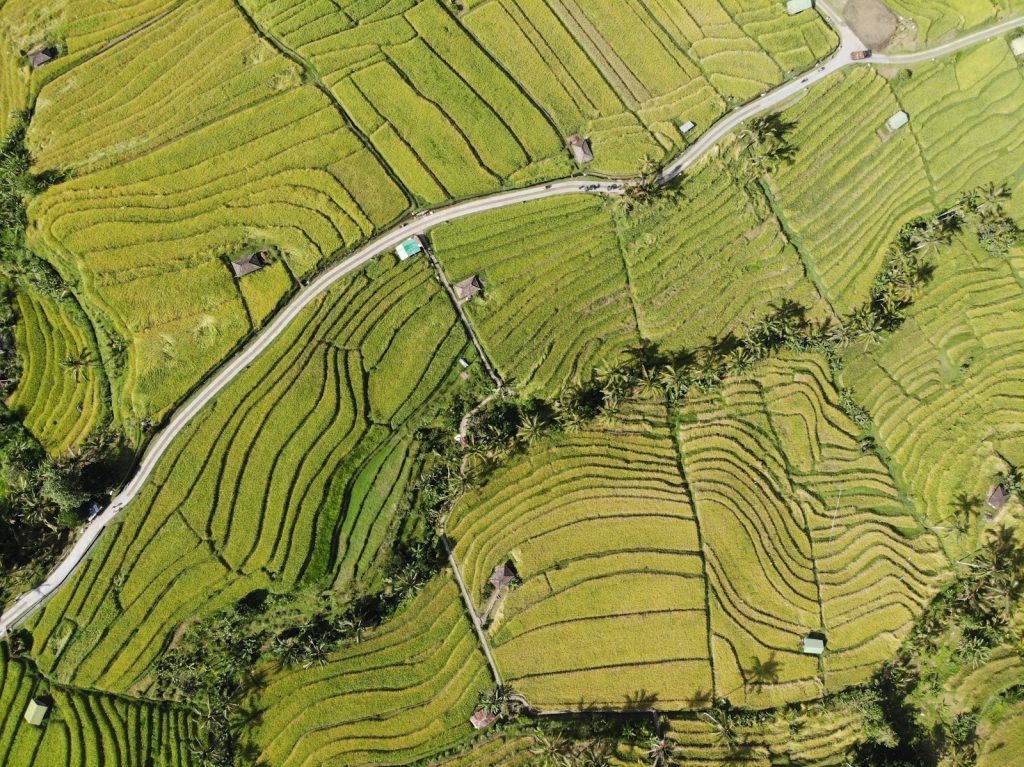
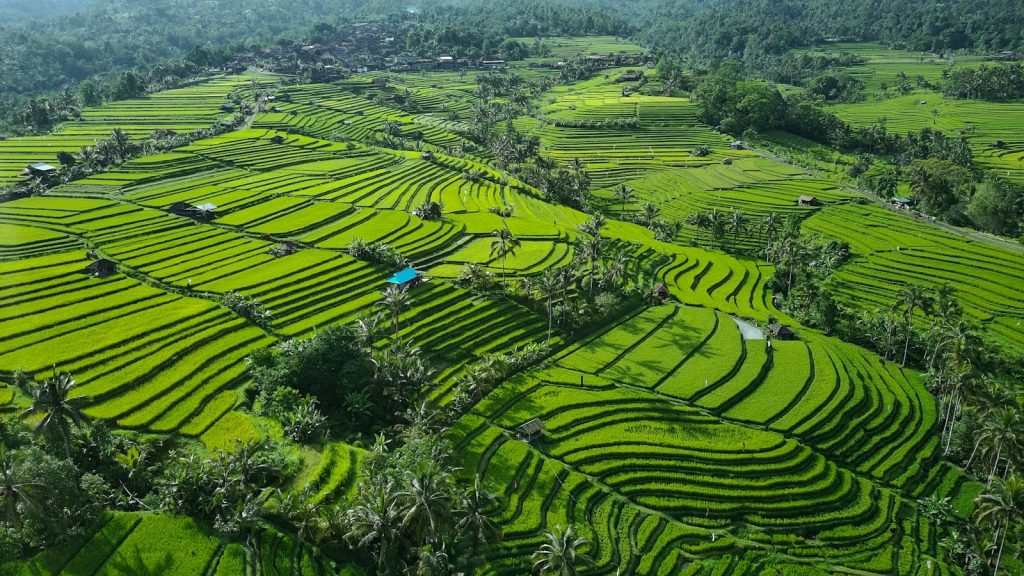
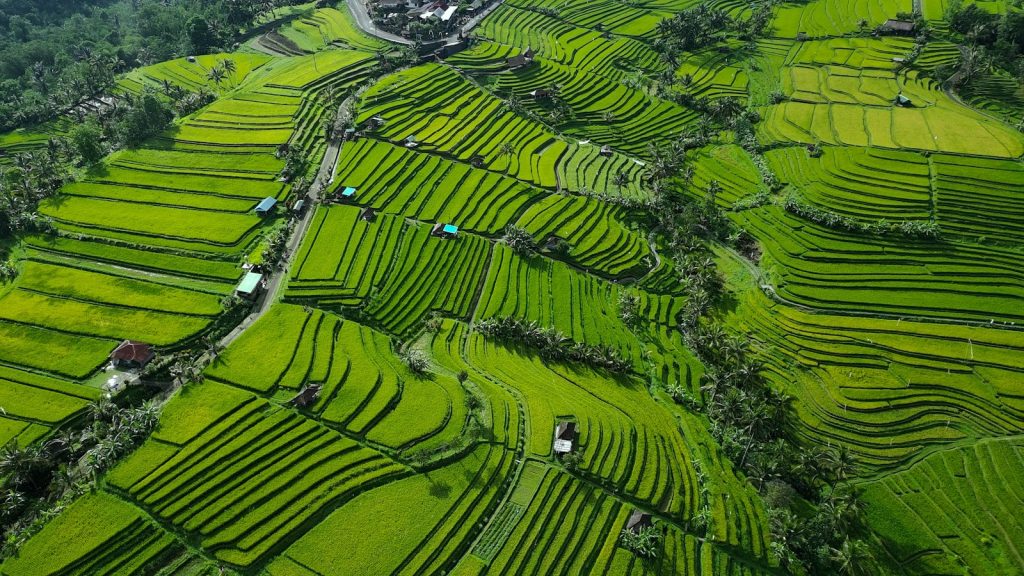
Jatiluwih is the grandest rice-terrace landscape in Bali: more than 600 hectares of stepped paddies rolling down the southern slopes of Mount Batukaru in Tabanan, at around 700 metres above sea level. Where Tegallalang is a single photogenic valley, Jatiluwih is a whole countryside of terraces, farm huts, coconut palms and small temples stretching toward the sea, with the forested volcano behind.
In 2012 the area was inscribed by UNESCO as part of the “Cultural Landscape of Bali Province: the Subak System as a Manifestation of the Tri Hita Karana Philosophy”. The listing recognises the thousand-year-old subak cooperatives that share water fairly between farmers through channels, tunnels and water temples. The village still grows traditional red rice alongside modern varieties.
What to see
Several marked walking trails of different lengths start near the main visitor area, ranging from a 30-minute loop to multi-hour hikes that wind along paddy embankments, through small hamlets and past subak shrines. Look for the small bamboo altars in the fields, the water-dividing gates in the channels and the farmers planting, weeding or harvesting by hand depending on the season. Mount Batukaru, Bali’s second-highest peak, rises behind the terraces and is often wreathed in cloud by afternoon.
How to visit
- Buy tickets at the checkpoint on the road into the village; bring cash, as card payments are unreliable here.
- Pick up a trail map at the visitor area. Paths are mostly flat along the terrace edges but can be muddy and narrow.
- Start early in the morning for mist, clear views and cooler temperatures, it gets hot on the open paddies by midday.
- Cycling tours from the uplands are a popular way to see the area.
- Many restaurants along the main road have terrace views and serve lunch with red-rice dishes.
Etiquette & dress
This is a working farming landscape. Stay on marked trails and embankment tops, never walk through planted paddies and don’t disturb water channels, which are carefully regulated by the subak. Ask before photographing farmers. Drones may be restricted in some areas and near temples. Carry out all rubbish. Wear shoes that can get muddy, a hat and sunscreen, and carry a rain jacket in the wet season.
The terraces look different through the growing cycle: flooded and mirror-like after planting, vivid green in the growing months and golden before harvest. Whenever you visit, you’ll see a different stage of the rice year, which is part of the charm of returning.
If you have time, linger for lunch and walk a second loop in the late afternoon, when the light softens and day-trippers have left.
Combine it with
- Pura Luhur Batukaru, a serene forest temple on the mountain, 30 minutes away.
- Ulun Danu Beratan Temple and the Bedugul highlands, about 45 minutes north-east.
- Taman Ayun Temple in Mengwi on the way back south.
- Tanah Lot for sunset to finish a full Tabanan day.
Good to Know
- UNESCO-listed subak landscape
- Choose a trail from 30 minutes to several hours
- Bring cash for the entrance checkpoint
- Arrive early before heat and cloud
- Stay on embankments, never walk through paddies
- Try red-rice dishes at terrace-view restaurants
Know Before You Go
Getting there
Jatiluwih is in Penebel, Tabanan, about 1.5 hours from Ubud, Canggu or Seminyak and 2 hours from Kuta. Public transport and ride-hailing are unreliable here, so hire a car and driver; parking is along the main village road.
Location
More Places to See
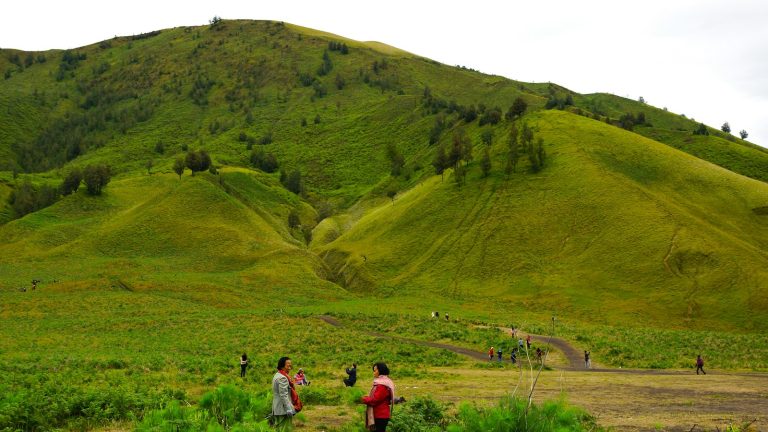
A free, paved ridge path starting in central Ubud, with valley views, alang-alang grass, palm trees…
Discover
Bali's only national park, protecting monsoon forest, mangroves, savanna and the coral reefs of Menjangan Island…
Discover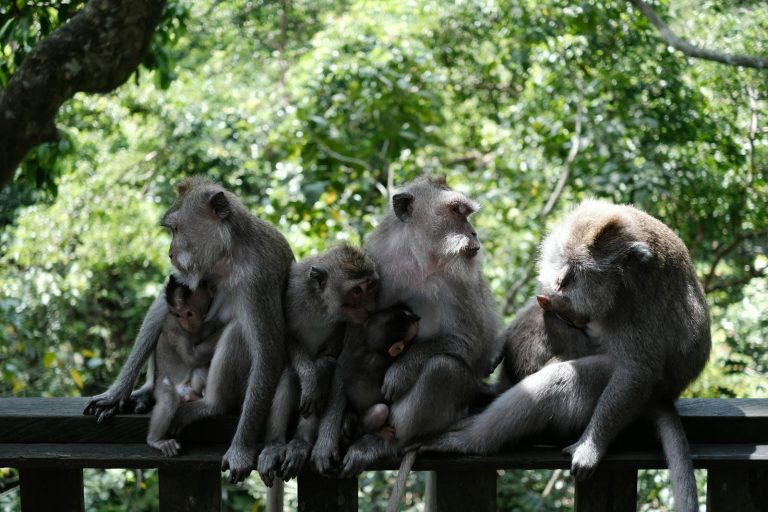
A 12.5-hectare sacred forest in the heart of Ubud, home to three temples and more than…
Discover