
Tegallalang Rice Terraces
Gallery 4 photos
About
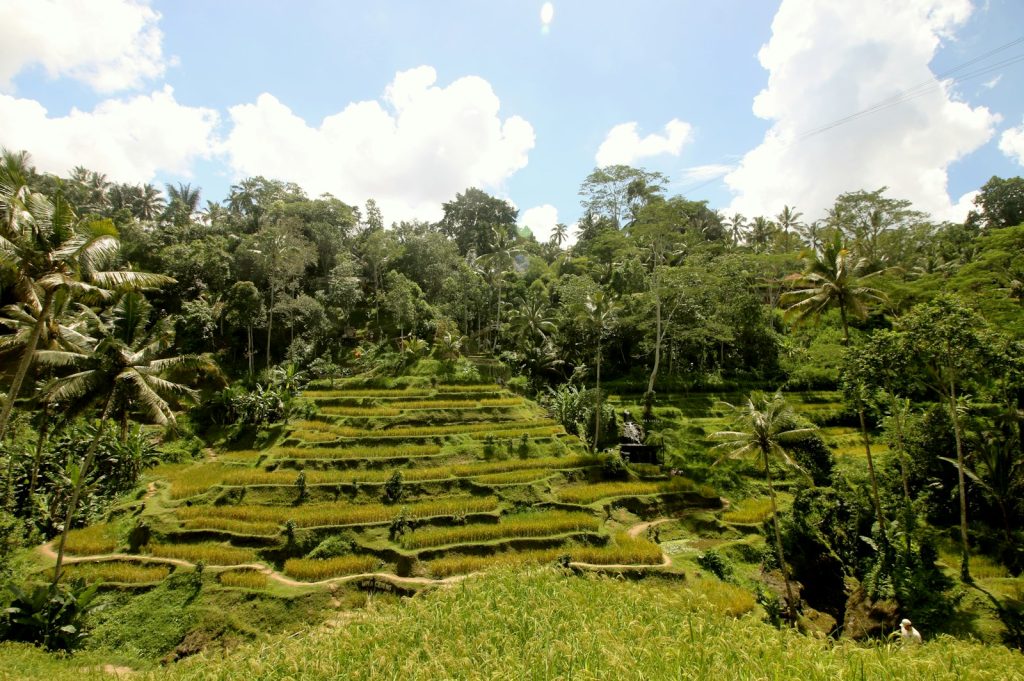
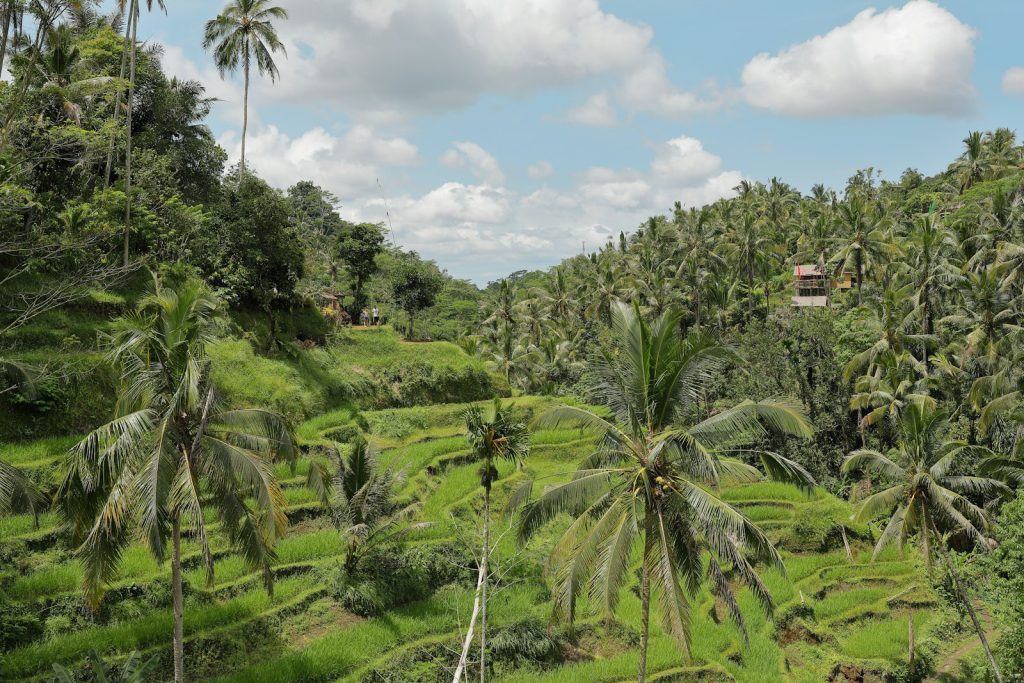
Tegallalang is the rice-terrace view most people picture when they think of Bali: a narrow, palm-fringed valley whose sides are cut into dozens of curving green steps, just 20 minutes north of central Ubud. The terraces are still farmed, so depending on the season you may see flooded paddies reflecting the sky, bright green shoots or golden rice ready for harvest.
Because it is so close to Ubud, Tegallalang has become heavily developed around the edges, with cliff-edge cafés, giant jungle swings, nest-shaped photo platforms and ziplines. The valley floor and the far side remain a working agricultural landscape, and the walk down and across is still a genuinely lovely hour.
The best way to appreciate Tegallalang is to think of it as a walk rather than a photo stop. The full loop takes you past coconut palms, small streams and farmers tending seedlings, and gives a sense of how much manual labour sustains these fields. Many of the cafés on the rim are pleasant places to wait out a rain shower with a Balinese coffee or fresh coconut while the mist drifts across the valley.
What to see
The terraces are irrigated by subak, the cooperative water-management system Balinese farmers have used for roughly a thousand years, in which channels, tunnels and water temples share water fairly between fields. Look for the small bamboo shrines at the corners of paddies, where farmers leave offerings to Dewi Sri, the rice goddess. From the main road viewpoints you get the postcard panorama; follow the stepped path down to cross a small bridge over the stream and climb the opposite side for a quieter view back toward the road.
How to visit
- Several family-run access points line the road; each collects a small entry or “donation” fee, and farmers on the trail may ask for a few thousand rupiah to cross their land. Carry small notes.
- Swings and photo nests are run by private operators and cost extra, typically IDR 150,000–350,000.
- The paths are steep, uneven and slippery after rain; allow 30–60 minutes for the loop.
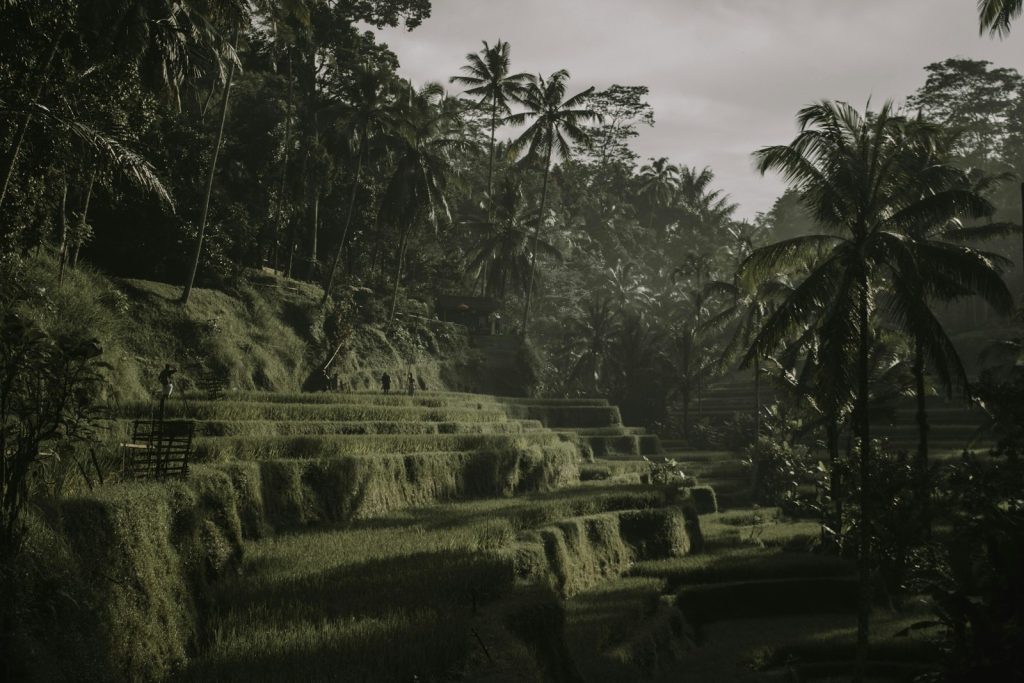
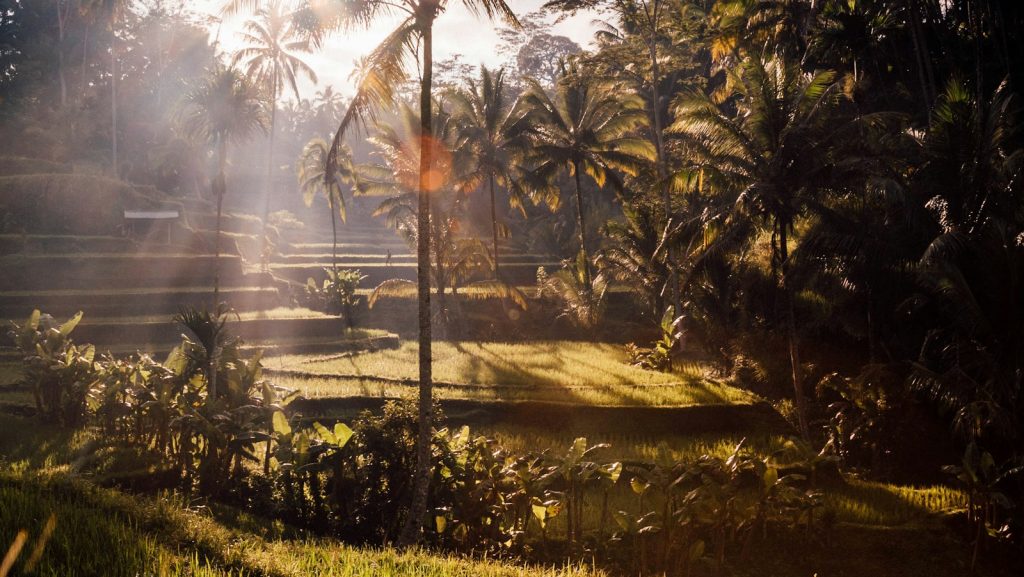
- Go before 08:30. By late morning tour buses arrive and the heat builds quickly.
Etiquette & dress
There is no sarong requirement, but remember you are walking through people’s farms: stay on the paths and embankment tops, never step into the planted paddies, and don’t fly drones low over workers. Ask before photographing farmers. Leave no rubbish, as litter blocks irrigation channels. If you pay a farmer’s toll, it directly supports keeping the terraces maintained.
Combine it with
- Tirta Empul water temple and Gunung Kawi rock shrines in Tampaksiring, 20–25 minutes north-east.
- Kintamani and Mount Batur views, about 45 minutes uphill.
- Ubud Monkey Forest and Ubud Palace in town on the way back.
- Coffee-tasting stops along the Tegallalang–Kintamani road.
Good to Know
- Arrive before 08:30 for light and quiet paths
- Carry small cash for access points and farmer tolls
- Walk to the far side for the best view back
- Wear shoes with grip, steps get muddy
- Swings are optional private add-ons at extra cost
- Easy to pair with Tirta Empul the same morning
Know Before You Go
Getting there
The terraces line Jl. Raya Tegallalang about 20 minutes' drive north of central Ubud and roughly 1.5 hours from South Bali. Scooter parking and car parks are along the road; ride-hailing drop-off works but pickups can be restricted, so a driver or scooter is easier.
Location
More Places to See
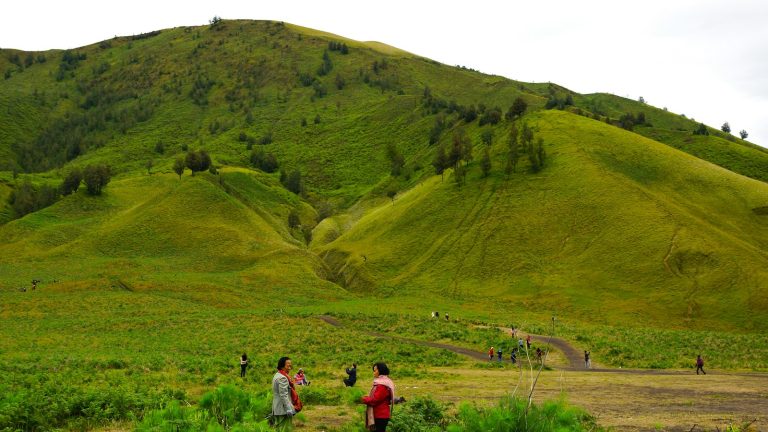
A free, paved ridge path starting in central Ubud, with valley views, alang-alang grass, palm trees…
Discover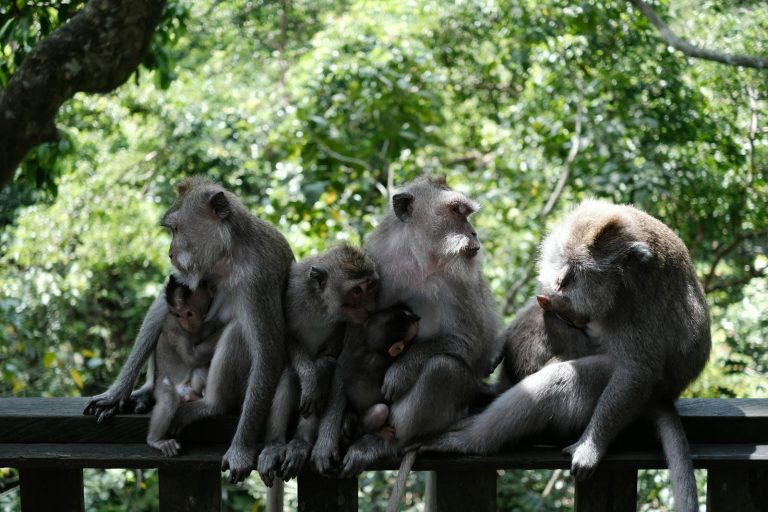
A 12.5-hectare sacred forest in the heart of Ubud, home to three temples and more than…
Discover
Bali's only national park, protecting monsoon forest, mangroves, savanna and the coral reefs of Menjangan Island…
Discover