
Goa Gajah (Elephant Cave)
Gallery 2 photos
About
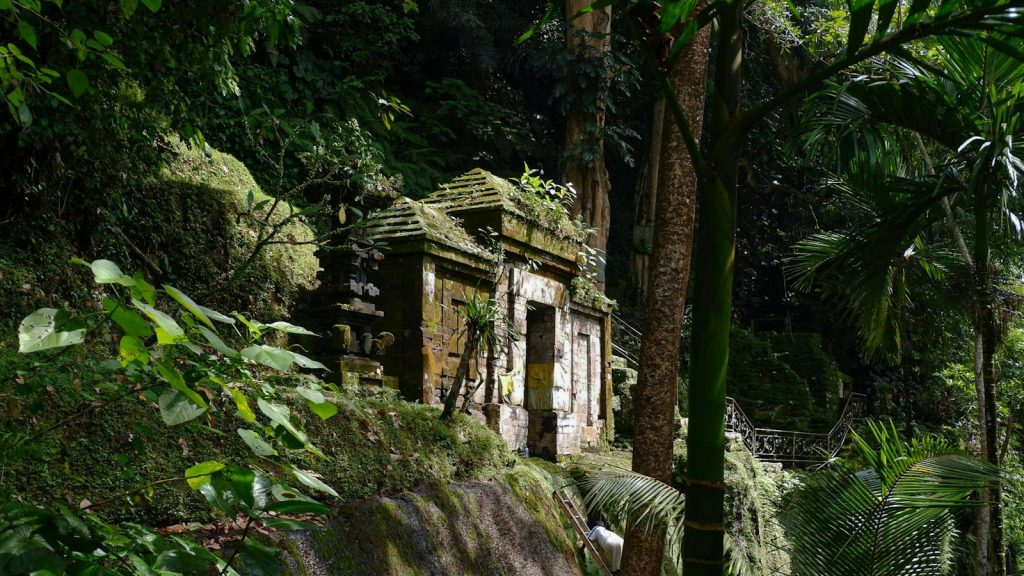
Goa Gajah, the “Elephant Cave”, is one of the oldest and most atmospheric archaeological sites in Bali. Tucked into a ravine in Bedulu village, a few minutes’ drive east of Ubud, it combines a small rock-cut cave, ancient bathing pools and a forest path descending to a stream, with remnants of both Hindu and Buddhist worship.
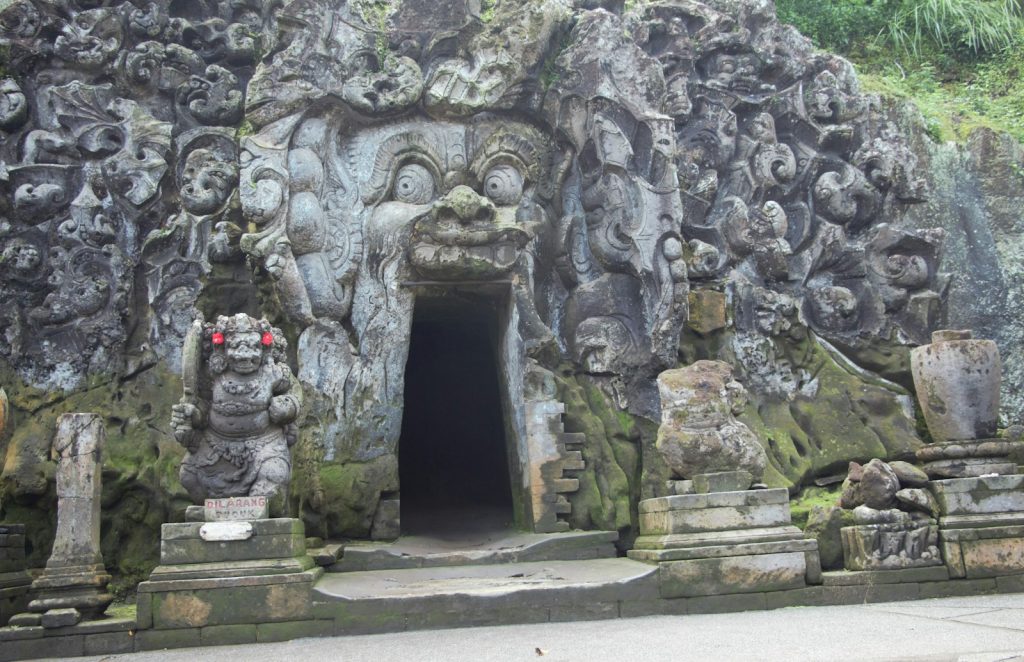
The first thing you see as you descend the stairs is the cave entrance itself, carved into the rock face as a monstrous gaping mouth surrounded by writhing figures, leaves and animals. It is a compact site that can be explored in under an hour, but the mossy stonework and huge banyan trees give it a wonderfully old-world feel.
History & meaning
The sanctuary is believed to date from around the 11th century, during the Warmadewa period, when the Pakerisan and Petanu river valleys were the spiritual heart of Bali. The name probably comes from the nearby river, once known as Lwa Gajah, rather than any elephant. The site was brought to wider attention by Dutch archaeologists in 1923, and the bathing pools were excavated in the 1950s. Inside the T-shaped cave are a statue of Ganesha and a trio of lingga representing the Hindu trinity. Downhill, broken reliefs of Buddhist stupas show that both faiths coexisted here.
What to see
- The cave mouth, the carved face, thought to represent a protective demon or the earth goddess.
- Petirtaan bathing pools, with statues of nymphs pouring water from vases.
- Buddhist relief fragments beyond the stream at the bottom of the ravine.
- Forest trail to a small waterfall and rice fields.
How to visit
- Tickets include a sarong; there is a short stairway down from the car park.
- Local guides at the entrance can explain the carvings; agree a price first.
- The cave is small and dim inside, let your eyes adjust and move slowly.
- Paths lower down can be slippery and muddy after rain.
Etiquette & dress
Wear the sarong and sash throughout. The cave remains a place of prayer, so be quiet inside and don’t touch the lingga or offerings. Don’t climb on statues or sit on pool edges. Menstruating women are traditionally asked not to enter the temple area. Photography is fine, but avoid flash inside the cave and don’t photograph worshippers without asking.
The site feels far more magical if you take the forest path all the way down. Few visitors bother, and the ravine, with its twisted roots, ferns and trickling stream, gives a sense of what Bali’s sacred valleys looked like a thousand years ago.
Combine it with
- Yeh Pulu rock-carved reliefs, about 1 km away through the rice fields.
- Tegenungan Waterfall, 15 minutes south.
- Ubud Monkey Forest and Ubud Palace, 10–15 minutes west.
- Tirta Empul and Gunung Kawi in Tampaksiring.
Good to Know
- Sarong included with the ticket
- Small site, easy to combine with others
- Go early morning for quiet and cool
- Explore the Buddhist ruins below the stream
- Yeh Pulu reliefs are a short walk away
- Paths slippery after rain
Know Before You Go
Getting there
Goa Gajah is on Jl. Raya Goa Gajah in Bedulu, about 10 minutes east of central Ubud and 1–1.5 hours from South Bali. Parking is opposite the entrance; it's an easy scooter ride from Ubud.
Location
More Places to See
The 17th-century royal temple of the Mengwi kingdom, surrounded by a moat and gardens and part…
Discover
A sacred mountain sanctuary in East Bali whose split gate frames Mount Agung, the island's most…
Discover
Bali's largest and holiest temple complex, a terraced sanctuary of 20-plus temples climbing the slopes of…
Discover