
Lempuyang Temple (Gates of Heaven)
About
Pura Lempuyang is one of Bali’s six great directional temples (sad kahyangan jagad), guarding the east of the island from the slopes of Mount Lempuyang in Karangasem. Its lowest temple, Pura Penataran Agung Lempuyang, has become world-famous for its candi bentar, a white split gate that, on clear mornings, perfectly frames the cone of Mount Agung across the valley. This is the “Gates of Heaven” photograph seen all over social media.
Beyond the gate lies a much older and more spiritual pilgrimage. A chain of seven temples climbs the mountain, linked by around 1,700 stone steps through monkey-inhabited forest to Pura Lempuyang Luhur near the summit, a demanding climb that few tourists attempt but many Balinese undertake as an act of devotion.
History & meaning
Lempuyang is among the oldest sacred sites in Bali, believed to predate the arrival of Majapahit Hindu influence, and is associated with the god Iswara, guardian of the east. The three dragon-lined staircases inside the Penataran temple represent the connection between the human and divine worlds. Although the gate photo is what draws the crowds, remember that this is an active temple visited by worshippers every day.
How to visit
- Park at the lower car park, buy your ticket and take the compulsory shuttle up the steep road to the temple. Bring cash, there are no ATMs on site.
- Sarongs are provided at the ticket office. Staff issue a queue number for the gate photo; waits of 1–3 hours are common from mid-morning.
- Local photographers take your photo from a fixed spot in exchange for a small tip. The “lake reflection” effect is created with a mirror under the phone lens, there is no water.
- Visit at sunrise for the shortest queue and the clearest view of Agung, which is often hidden by cloud by late morning.
- To hike to the summit temple, allow 4–5 hours round trip and bring water.
Etiquette & dress
Wear the sarong and cover your shoulders. Don’t pose provocatively, do handstands or yoga poses in the gateway, this is holy ground. Keep your voice down, step aside for worshippers carrying offerings, and don’t climb on the gate walls or dragon statues. Drone flying is restricted. Menstruating women are traditionally asked not to enter.
Even if you skip the queue for the gate photo, the temple courtyard is worth exploring slowly. The ornate dragon staircases and carved stone are impressive in their own right, and on a clear morning the view of Agung across the valley is breathtaking from anywhere on the terrace, not just through the famous frame.
Combine it with
- Tirta Gangga Water Palace, about 20 minutes away.
- Taman Ujung Water Palace near Amlapura, 30 minutes south.
- Amed black-sand beaches and snorkelling, 40 minutes north-east.
- Pura Besakih for a full East Bali temple day.
Good to Know
- Arrive for the first shuttle to minimise queues
- Bring cash, ticket office is cash only
- The reflection is a mirror trick, not water
- Expect 1–3 hour photo queues from mid-morning
- Sarong provided; cover shoulders
- Hike to the summit temple for a quieter pilgrimage
Know Before You Go
Getting there
Lempuyang is near Abang in Karangasem, about 2 hours from Ubud and 2.5–3 hours from South Bali. Leave around 04:00 from the south to arrive for sunrise; drivers park at the lower car park where the shuttle departs.
Location
More Places to See

Bali's largest and holiest temple complex, a terraced sanctuary of 20-plus temples climbing the slopes of…
Discover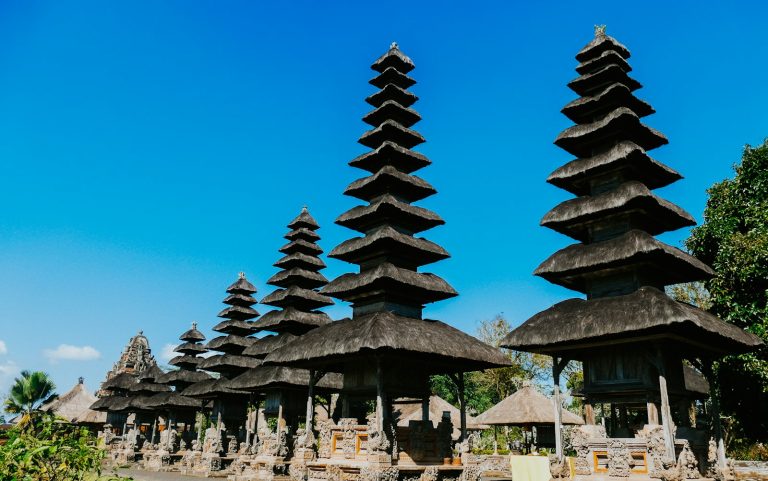
The 17th-century royal temple of the Mengwi kingdom, surrounded by a moat and gardens and part…
Discover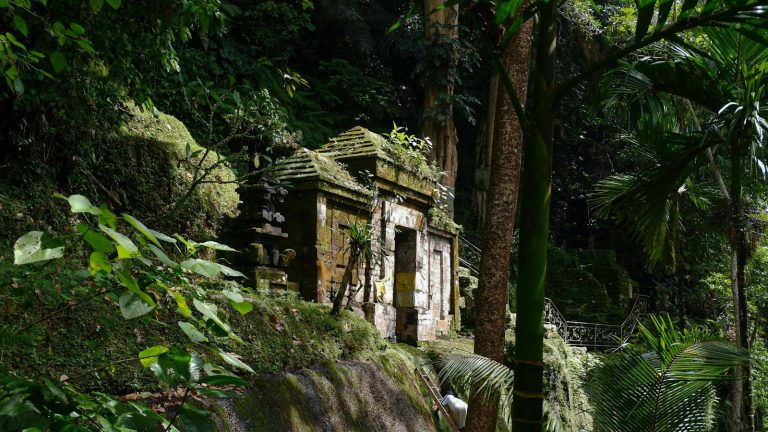
An 11th-century sanctuary with a demon-mouthed cave, holy bathing pools and forest paths down to the…
Discover