
Gunung Kawi Temple (Candi Tebing Gunung Kawi)
About
Gunung Kawi asks for a little effort and gives back a lot. From the village of Tampaksiring, a long stone stairway winds down through rice terraces and palms into the green valley of the Pakerisan River. At the bottom, facing each other across the water, stand tall shrine facades carved directly into the cliff face, each set inside its own deep niche.
The setting is the magic. The river runs loud below, water channels trickle from the rice fields, and moss softens the ancient stone. Compared with Bali’s busier temples, it feels hushed and grand at once, an archaeological site that is still very much a place of prayer.
Give yourself time to wander beyond the main shrines to the small meditation caves and courtyards scattered through the valley.
History & meaning
The shrines date to the 11th century and are linked to the Udayana (Warmadewa) dynasty, especially King Anak Wungsu, a son of King Udayana who ruled Bali in the second half of that century. There are ten candi in all, about 7 metres tall: five on the east bank and the rest on the west. They are not tombs but memorials, honouring the king and members of his family and court.
The Pakerisan valley is considered sacred, and water from the site is still used in ceremonies. Gunung Kawi lies in the same Pakerisan river valley as Tirta Empul, just up the road.
How to visit
- Open daily 08.00-18.00; arrive at opening for cool air and an empty valley.
- Expect around 300 steps down and the same back up; take it slowly and use the shaded rest spots.
- A sarong and sash are included with your ticket and must be worn inside.
- There is no food or shop at the bottom, so bring water.
- Warungs near the top of the stairs sell cold drinks, coconuts and simple meals.
- Local guides sometimes wait near the entrance; they are optional.
Etiquette & dress
Wear the sarong and sash provided, keep shoulders covered, and remove your shoes where signs ask you to in the sacred areas. Do not climb into the shrine niches or onto altars, speak softly, and give way to worshippers carrying offerings.
Combine it with
- Tirta Empul the holy spring temple with purification pools, about 5 minutes by car.
- Gunung Kawi Sebatu a calm water temple with spring-fed pools, about 10 minutes by car.
- Tegallalang Rice Terraces sculpted terraces and swings, about 20 minutes by car.
Sources
Prices and opening hours checked on 02/11/2026 against the sources below. They can change without notice, so confirm on site before you go.
- Indonesia.travel (Ministry of Tourism): Gunung Kawi Temple, a Peaceful Archaeological Site in Bali
- detikBali: Candi Gunung Kawi, situs arkeologi favorit wisman Eropa
- Nirwasita (Universitas Mahadewa Indonesia): Candi Tebing Gunung Kawi sebagai objek wisata sejarah
- Bali Holiday Secrets: Candi Tebing Gunung Kawi: Complete Guide
- Ubudhood: Gunung Kawi: A Historical Balinese Temple
- Love Bali (Bali Provincial Government): Tourist levy inspection at Bali destinations
Good to Know
- Ten 11th-century shrines carved into the cliff
- Stairway through rice terraces into the river valley
- Stone bridge across the sacred Pakerisan River
- Meditation caves and small courtyards
- Quiet, mossy atmosphere early in the morning
- Easy pairing with Tirta Empul next door
Know Before You Go
Getting there
Gunung Kawi is in Tampaksiring, about 30-40 minutes by car north-east of Ubud. Allow roughly 1 to 1.5 hours from Denpasar and Sanur, and around 1.5 to 2 hours from Seminyak or Canggu depending on traffic. Most visitors combine it with Tirta Empul on the same trip.
Location
More Places to See

A thousand-year-old water temple in Tampaksiring where Balinese and visitors bathe beneath carved spouts fed by…
Discover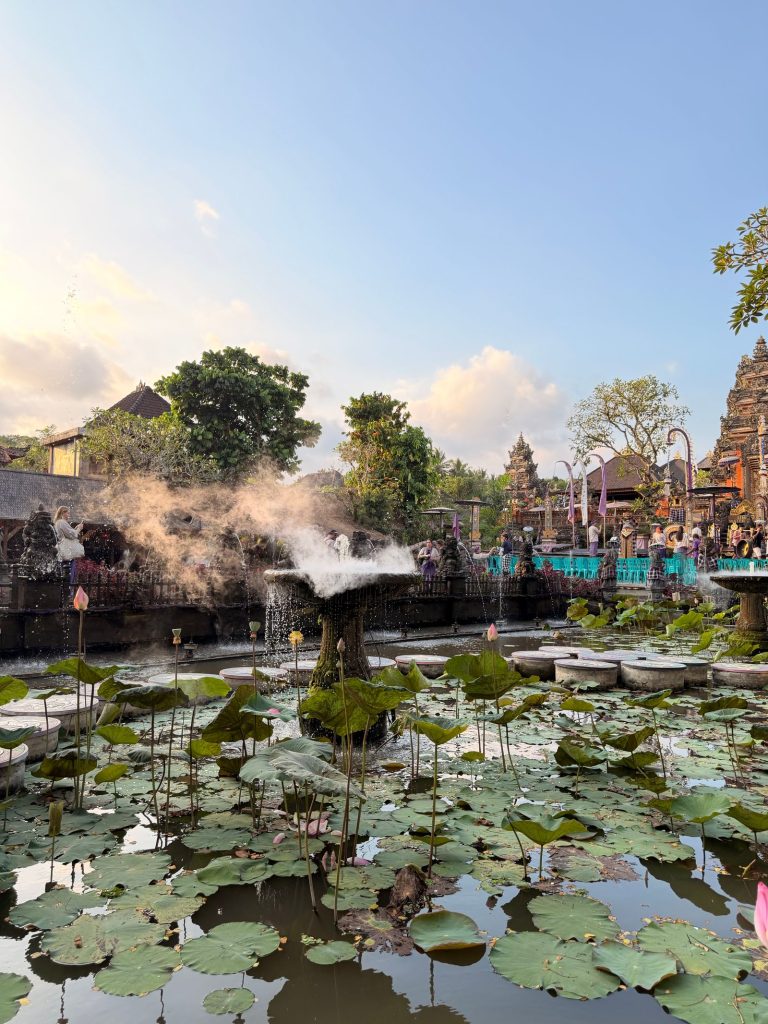
Ubud's lotus-pond temple to the goddess of learning and the arts, designed by I Gusti Nyoman…
Discover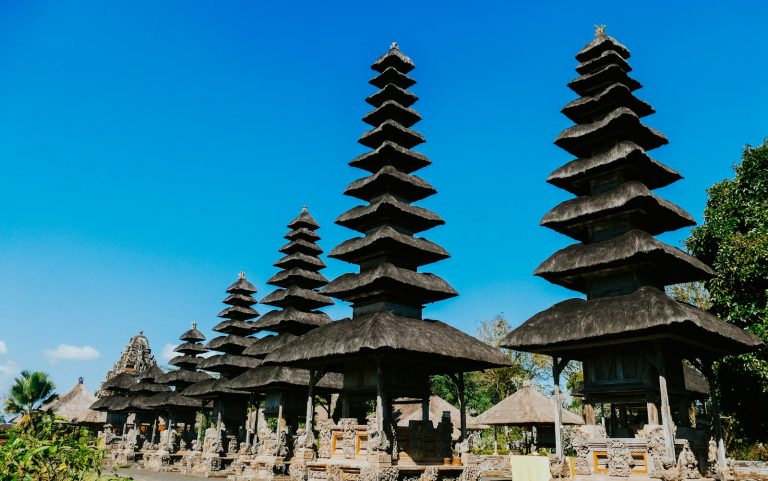
The 17th-century royal temple of the Mengwi kingdom, surrounded by a moat and gardens and part…
Discover