
Tirta Empul (Tampaksiring)
Gallery 2 photos
About
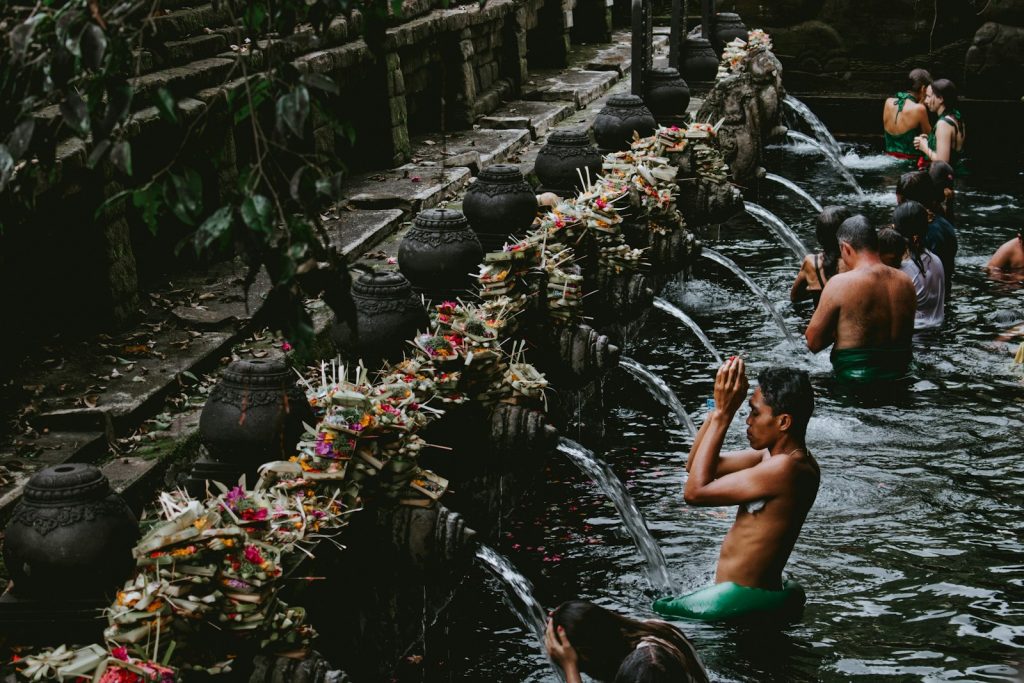
Pura Tirta Empul is Bali’s best-known water temple, built around a spring that bubbles up from the ground into a clear pool in the village of Manukaya, Tampaksiring, about 30 minutes north-east of Ubud. The spring feeds long stone bathing pools lined with carved spouts, and for more than a thousand years Balinese Hindus have come here to purify themselves in a ritual known as melukat.
What makes Tirta Empul special is that this is not a museum piece: on any given morning you will see families in ceremonial dress queuing with offerings, priests blessing worshippers and visitors wading waist-deep beneath the fountains side by side with locals. Above the temple on the hill stands the Tampaksiring presidential palace, built for President Sukarno in the 1950s.
History & meaning
A stone inscription dates the temple’s founding to the 10th century (commonly given as 962 AD) during the Warmadewa dynasty. Legend tells that the god Indra struck the earth to create the spring, whose water revived his army after they were poisoned by the demon king Mayadenawa. The spring is also the source of the Pakerisan River, whose valley holds some of Bali’s oldest monuments. The water is believed to cleanse spiritual and physical impurity, and holy water from here is used in ceremonies across the island.
How to visit
- Buy tickets at the gate; a sarong and sash for walking the grounds is provided. To bathe, rent or buy the designated bathing sarong and use the changing rooms and lockers.
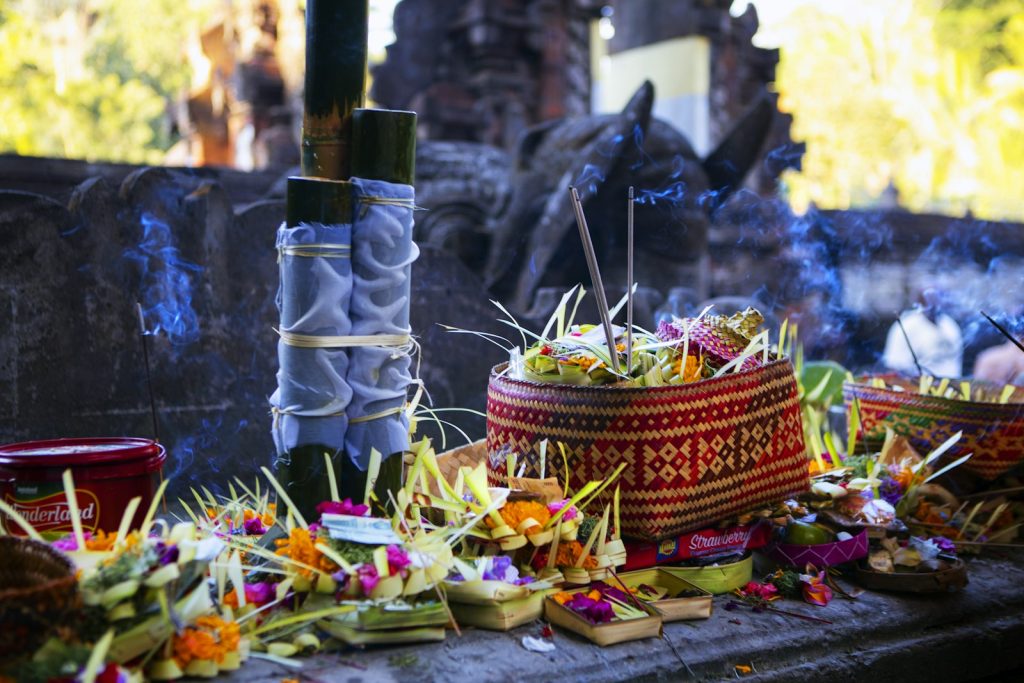
- Place a small canang offering (sold at the entrance) at the start of the pool before entering.
- Start at the far left spout and work along the row, bowing your head under each fountain and saying a silent prayer. Local custom is to skip the two spouts reserved for funeral-related rites, follow a guide or the signs.
- Bring a towel and dry clothes; lockers are available.
- Arrive before 10:00: from mid-morning, tour groups create long queues in the pools.
Etiquette & dress
Everyone must wear a sarong and sash, and bathers must use a proper bathing sarong rather than swimwear alone. Walk calmly, don’t splash, and keep your turn under each spout brief. Menstruating women and people with open wounds are traditionally asked not to enter the pools. Don’t pose for glamour photos under the spouts while others are praying, and keep phones out of the water area, many visitors bring a waterproof pouch or leave phones with a friend. The inner courtyard with the spring pool itself is for prayer only.
Hiring a local guide at the gate is optional but useful: they will explain the order of the spouts, help you prepare an offering and translate the meaning of each fountain, which makes the ritual far more than a photo opportunity.
Combine it with
- Gunung Kawi, the 11th-century rock-cut royal shrines in the Pakerisan valley, 5 minutes away.
- Tegallalang Rice Terraces, 20 minutes toward Ubud.
- Kintamani and Mount Batur, about 40 minutes north.
- Goa Gajah on the way back to Ubud.
Good to Know
- Arrive before 10:00 to avoid long pool queues
- Bring a towel and change of clothes if bathing
- Rent the proper bathing sarong, swimwear alone isn't allowed
- Start from the leftmost spout and follow local order
- Keep phones in a waterproof pouch
- Gunung Kawi is only five minutes away
Know Before You Go
Getting there
Tirta Empul is in Tampaksiring, about 30 minutes north-east of Ubud and 1.5–2 hours from South Bali. Come by scooter or private driver; there is a large car park by the entrance, which exits through a long souvenir market.
Location
More Places to See
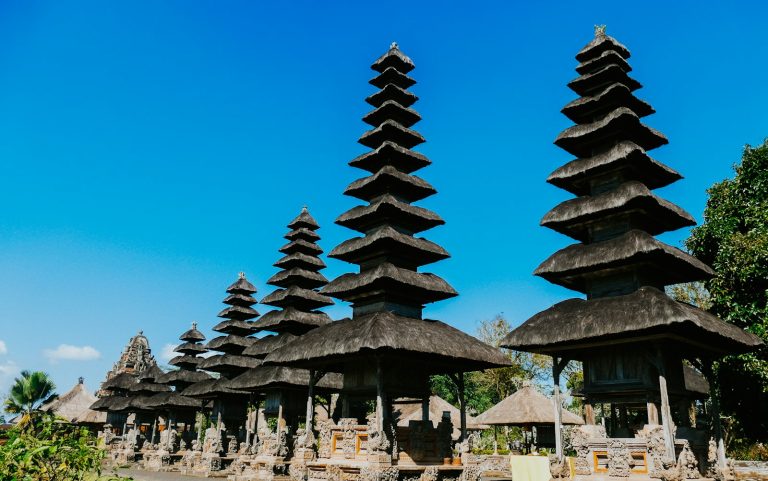
The 17th-century royal temple of the Mengwi kingdom, surrounded by a moat and gardens and part…
Discover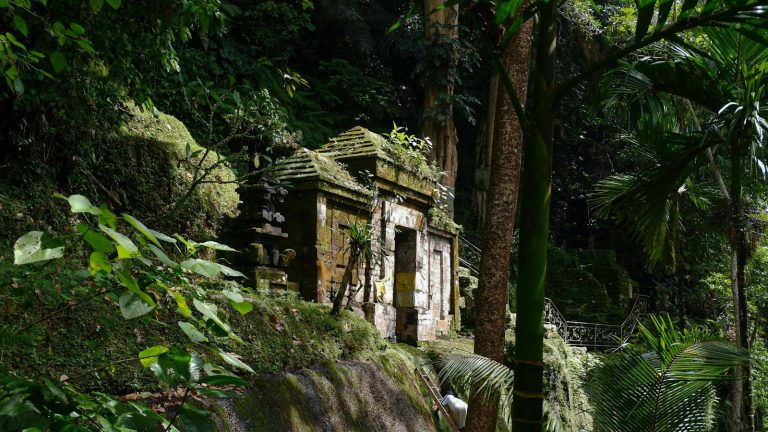
An 11th-century sanctuary with a demon-mouthed cave, holy bathing pools and forest paths down to the…
Discover
A sacred mountain sanctuary in East Bali whose split gate frames Mount Agung, the island's most…
Discover