
Pura Besakih
Gallery 3 photos
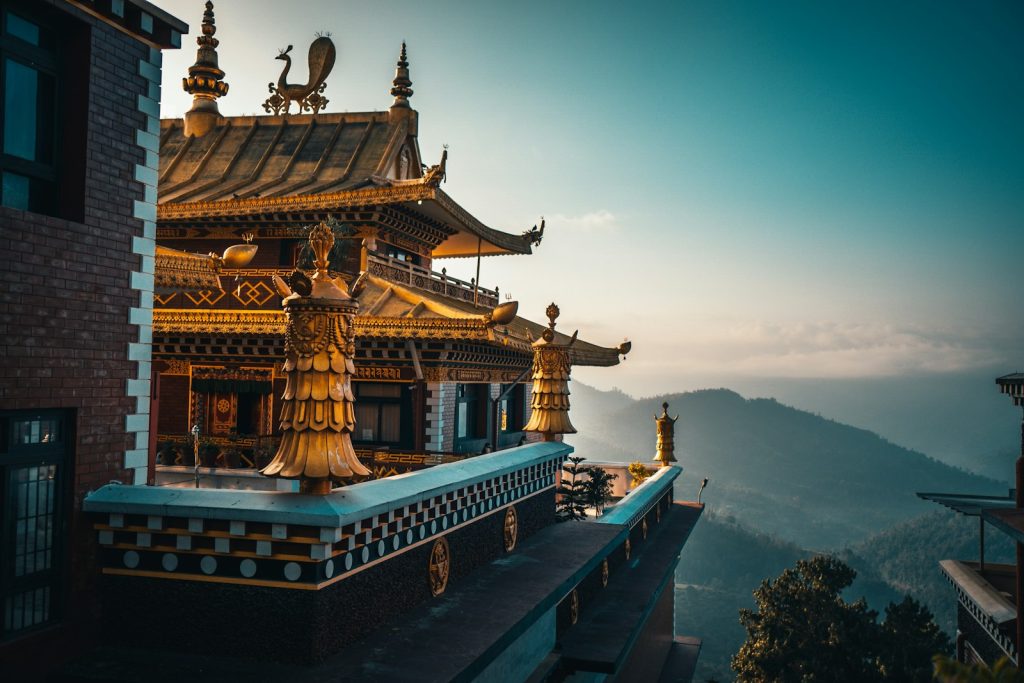
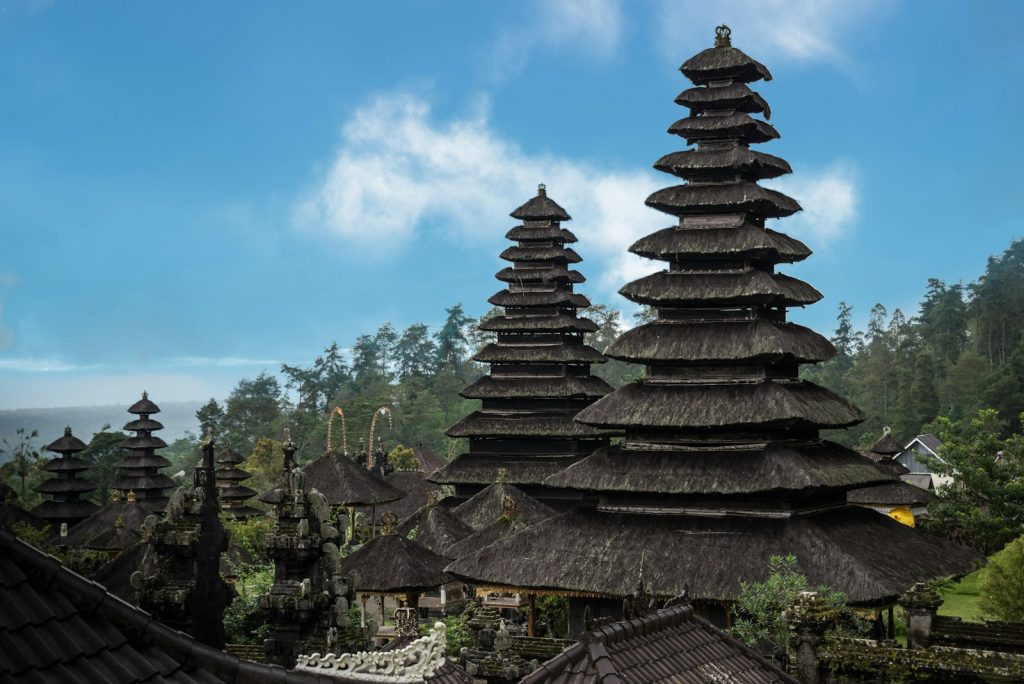
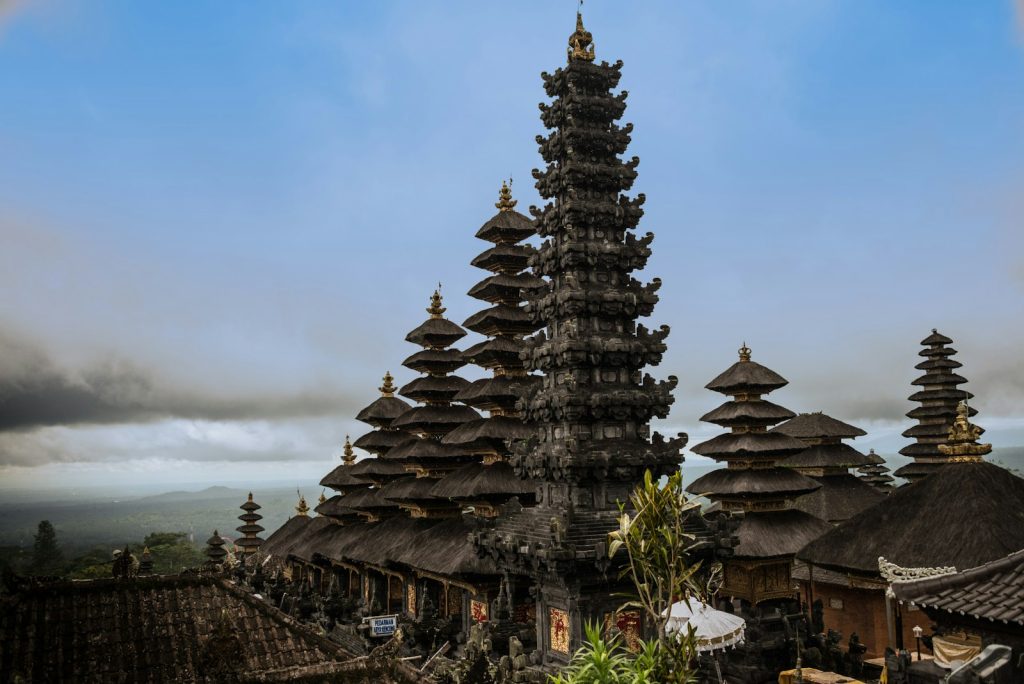
About
Pura Besakih, the “Mother Temple”, is the most important Hindu sanctuary in Bali. Rather than one temple it is a vast complex of more than 20 separate temples spread across the south-western slope of Mount Agung, the island’s highest and holiest volcano, at around 1,000 metres above sea level. The central temple, Pura Penataran Agung, climbs the hill in a series of terraces and split gates, crowned by rows of black-thatched meru towers.
Every Balinese family and clan has a connection to a shrine here, and ceremonies take place throughout the year. On festival days thousands of worshippers in white and gold fill the stairways with offerings, making it one of the most moving sights on the island.
History & meaning
A sacred site on this spot dates back at least to the 8th century, and the complex was expanded over the centuries under successive Balinese kingdoms. Its alignment with Mount Agung, believed to be the seat of the gods, gives it supreme status. In 1963 Agung erupted during preparations for Eka Dasa Rudra, the island’s greatest purification ceremony held roughly once a century; lava flows passed just metres from the complex, which Balinese regard as a sign of divine protection. The main temples are dedicated to the Hindu trinity, Brahma, Vishnu and Shiva.
How to visit
- The IDR 150,000 foreign-visitor ticket includes a sarong, an official local guide and a shuttle from the car park to the entrance area; the return shuttle may cost extra.
- Only official guides provided at the ticket office are needed, politely decline anyone who approaches you in the car park.
- Vendors may push offerings as “compulsory”; they aren’t.
- Tourists cannot enter the innermost courtyards but can walk the stairways and outer terraces with great views down the valley.
- Arrive early: clouds typically cover Agung by late morning, and tour groups peak from 10:00.
- Check for major ceremonies before visiting; access may be limited on big festival days.
Etiquette & dress
Sarong and sash are compulsory and included in the ticket. Cover shoulders, speak quietly and never stand higher than a priest or step over offerings. Don’t sit on shrine walls, and ask before photographing worshippers. Menstruating women are traditionally asked not to enter. Wear comfortable shoes: there are many steps, and it can be surprisingly cool and rainy at this altitude.
Give yourself time to climb above the main temple to the smaller shrines further up the slope. The views back down the valley toward the coast are superb, crowds thin out quickly, and you’ll get a real sense of how the whole complex is woven into the mountainside.
Combine it with
- Kertha Gosa in Klungkung, about 40 minutes south.
- Sidemen valley rice fields and weaving villages, 30–40 minutes away.
- Tirta Gangga and Lempuyang for a full East Bali day.
- The Bukit Jambul viewpoint on the Rendang–Klungkung road for rice-terrace views.
Good to Know
- Ticket includes guide, sarong and shuttle
- Decline unofficial guides in the car park
- Arrive early for clear views of Mount Agung
- Offerings are not compulsory despite sales pitches
- Plenty of stairs, wear good shoes
- Bring a layer for cool mountain weather
Know Before You Go
Getting there
Besakih is on the slopes of Mount Agung above Rendang, about 1–1.5 hours from Ubud and 2–2.5 hours from South Bali. Park at the main visitor car park and take the included shuttle; most visitors come with a private driver as part of an East Bali day.
Location
More Places to See

A sacred mountain sanctuary in East Bali whose split gate frames Mount Agung, the island's most…
Discover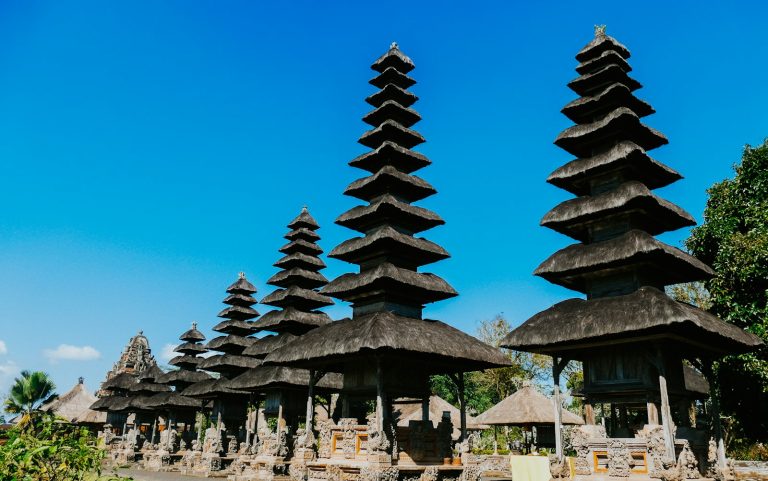
The 17th-century royal temple of the Mengwi kingdom, surrounded by a moat and gardens and part…
Discover
An 11th-century sanctuary with a demon-mouthed cave, holy bathing pools and forest paths down to the…
Discover