
Kuta Beach
Gallery 4 photos
About
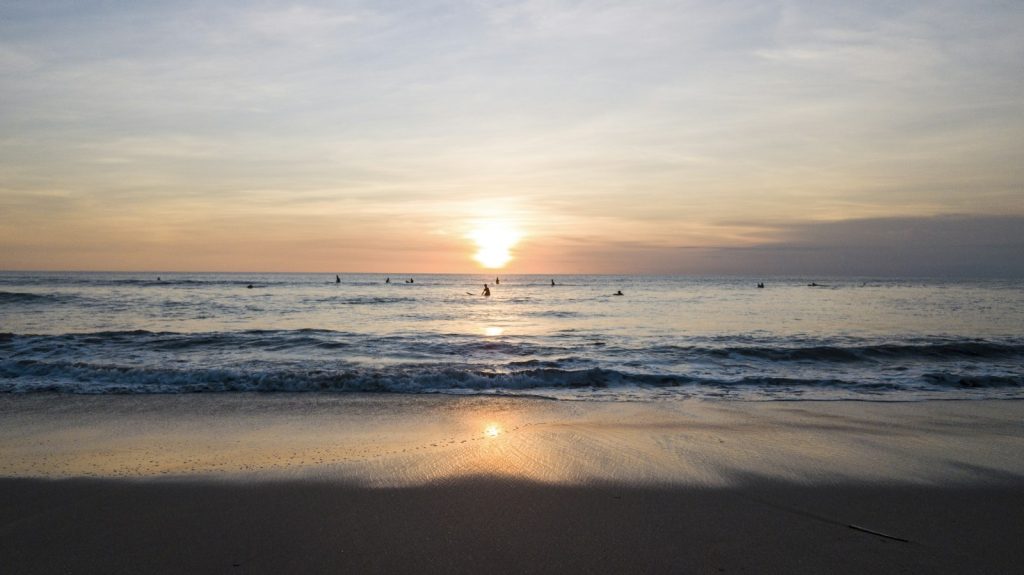
Kuta Beach is where Bali tourism started. In the late 1960s and 1970s, surfers and overland travellers found an empty sweep of golden sand and consistent waves here, and the fishing village behind it grew into the island’s busiest resort district. Today the beach stretches for several kilometres from the airport runway north through Legian toward Seminyak, backed by hotels, shopping malls and a seafront promenade.
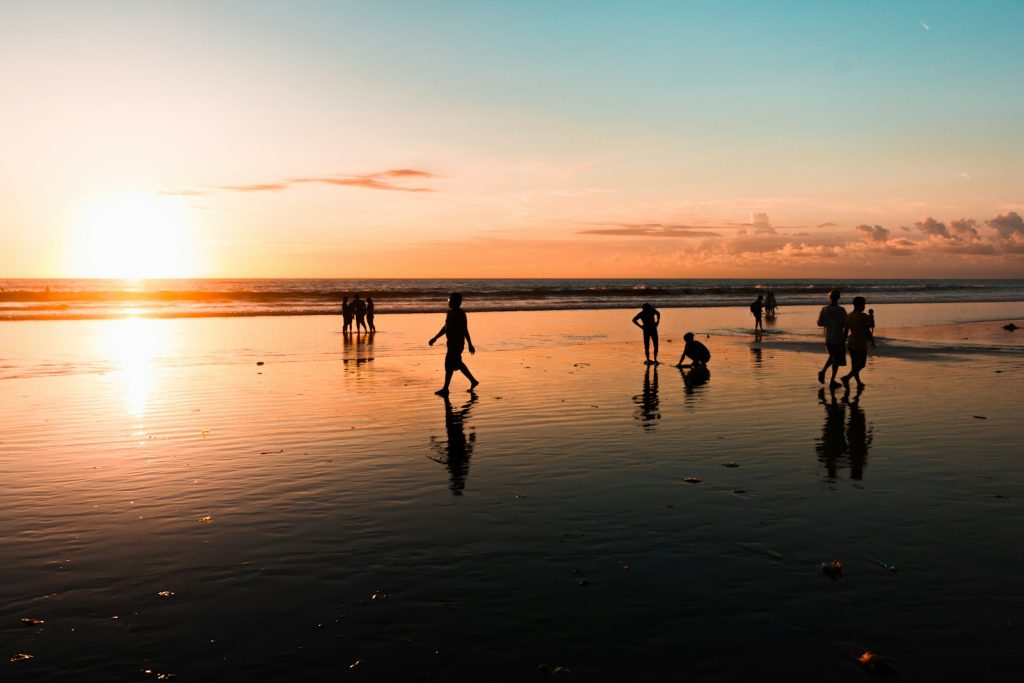
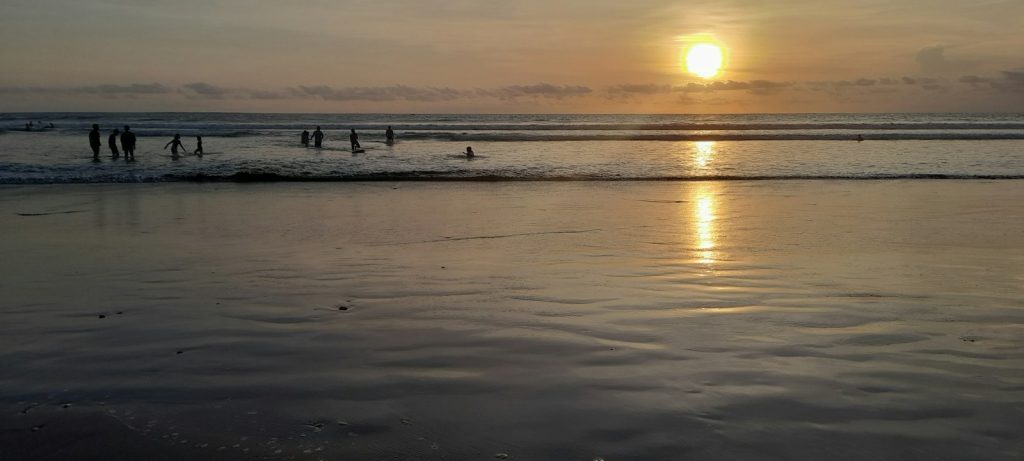
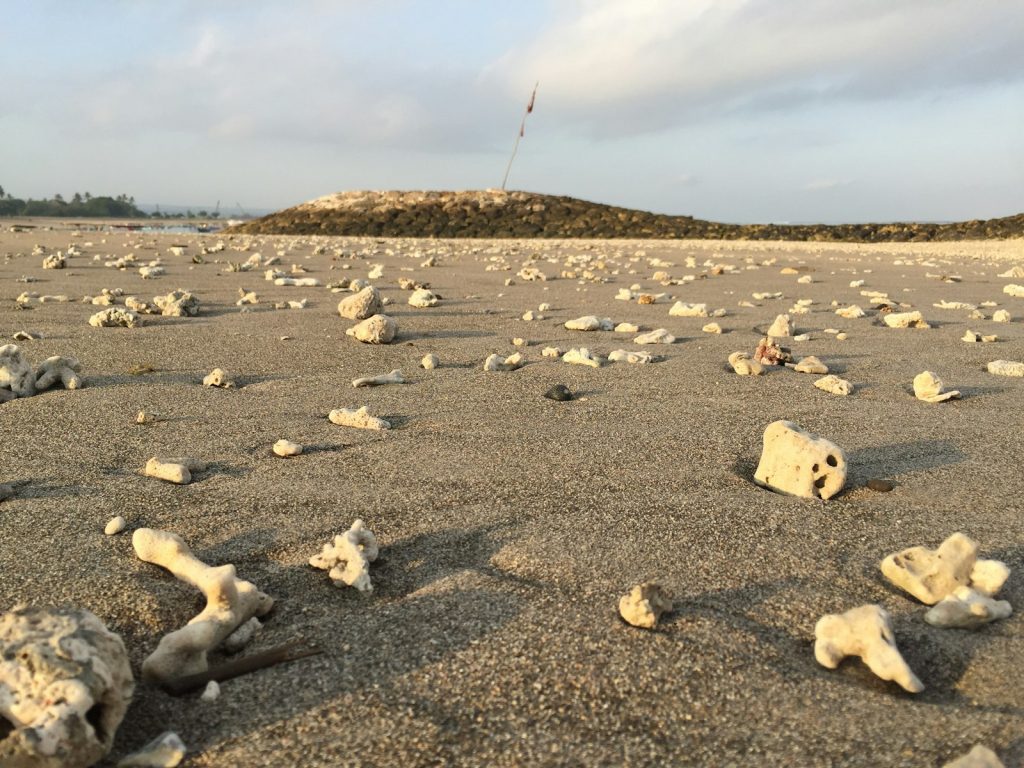
It is lively rather than pristine: expect vendors, surf-school tents and crowds, especially at weekends and in rubbish-prone wet-season months when currents wash debris ashore. But it remains one of the best places in Bali to learn to surf, and the sunsets over the Indian Ocean draw a relaxed crowd of locals and visitors every evening.
What to see
The main draw is the surf. The sandy-bottom beach break produces gentle, forgiving whitewater that is ideal for first-timers, and dozens of surf schools rent soft boards by the hour. At the southern end, near the airport, the Bali Sea Turtle Society runs a conservation hatchery and, in season, invites the public to watch hatchling releases at sunset. Across the road in the town centre stands the Bali Bombing Memorial at Ground Zero on Jl. Legian, a quiet place to reflect on the 2002 attacks. The Beachwalk shopping centre faces the sand for a shaded break.
How to visit
- The beach is free; paid parking is available along Jl. Pantai Kuta and at nearby malls.
- Swim only between the red-and-yellow flags where lifeguards are on duty. Rip currents are common.
- Book a surf lesson in the morning when winds are lighter; most schools include board, rash vest and instructor.
- Sunbeds and umbrellas are rented by local operators; agree the price before sitting down.
- The dry season (roughly April–October) brings cleaner water and sand.
Etiquette & dress
Topless sunbathing is not appropriate in Bali. Keep swimwear to the beach and put on a shirt when you head into shops or restaurants. Vendors can be persistent, a smile and a firm “no thank you” works. Don’t step on the small palm-leaf offerings (canang sari) placed on the sand, and if a Hindu ceremony such as melasti takes place on the beach, give the procession space.
Keep valuables out of sight on the sand and never leave phones unattended while you swim. Bring reef-safe sunscreen and drink plenty of water, the midday sun reflects hard off the sand.
For a quieter experience, walk north toward Legian in the early morning, when joggers, fishermen and surfers have the sand mostly to themselves and the light over the water is soft.
Combine it with
- Legian and Double Six beaches for a longer sunset walk north.
- Waterbom Bali, a short walk inland, for families.
- Jimbaran Bay seafood dinners, 20 minutes south.
- Seminyak beach clubs and restaurants, 20–30 minutes north.
Good to Know
- Great for beginner surf lessons
- Swim only between the lifeguard flags
- Sea Turtle Society hatchling releases in season
- Free entry; bring small cash for sunbeds
- Sunset along the promenade is a daily ritual
- Watch your belongings on the sand
Know Before You Go
Getting there
Kuta Beach runs along Jl. Pantai Kuta, 10–15 minutes from Ngurah Rai International Airport and 20–30 minutes from Seminyak. Traffic in central Kuta is heavy in the evening, so walking or scooter is often faster than a car; Grab and Gojek are widely available.
Location
More Places to See
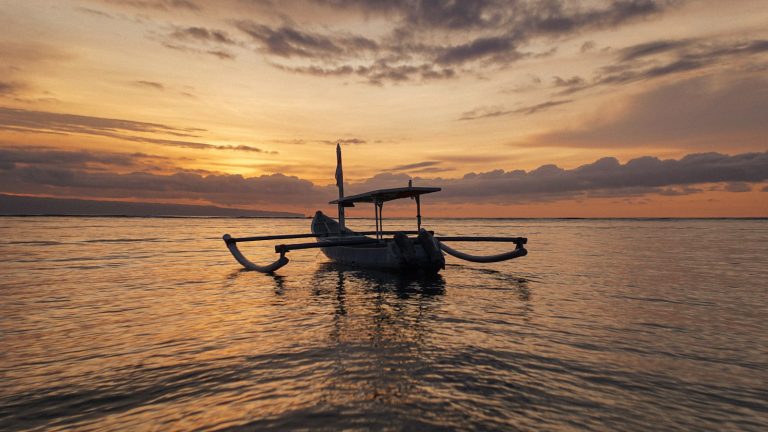
A laid-back stretch of black-sand beaches on North Bali's coast, known for sunrise boat trips to…
Discover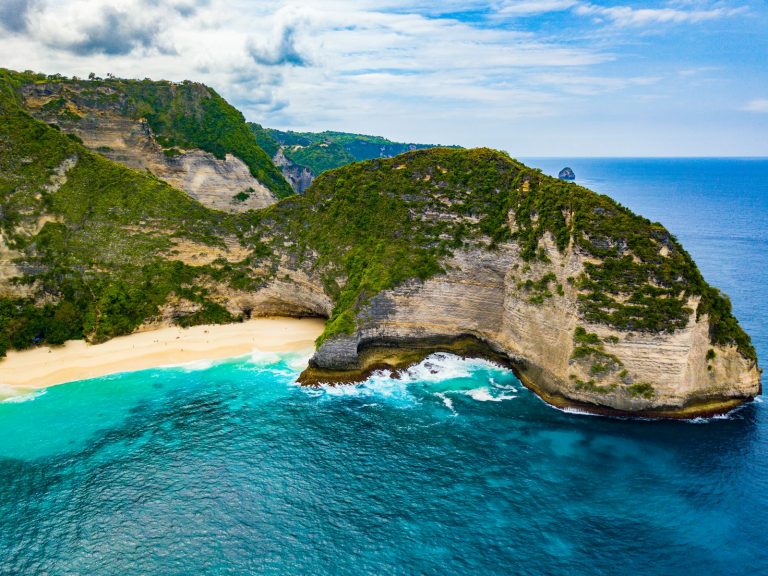
A white-sand cove below sharp limestone pinnacles on Nusa Penida's east coast, reached by a staircase…
Discover
A calm, reef-protected beach on Bali's east coast with a long seaside path, gentle water and…
Discover