
Mount Batur
Gallery 5 photos



About
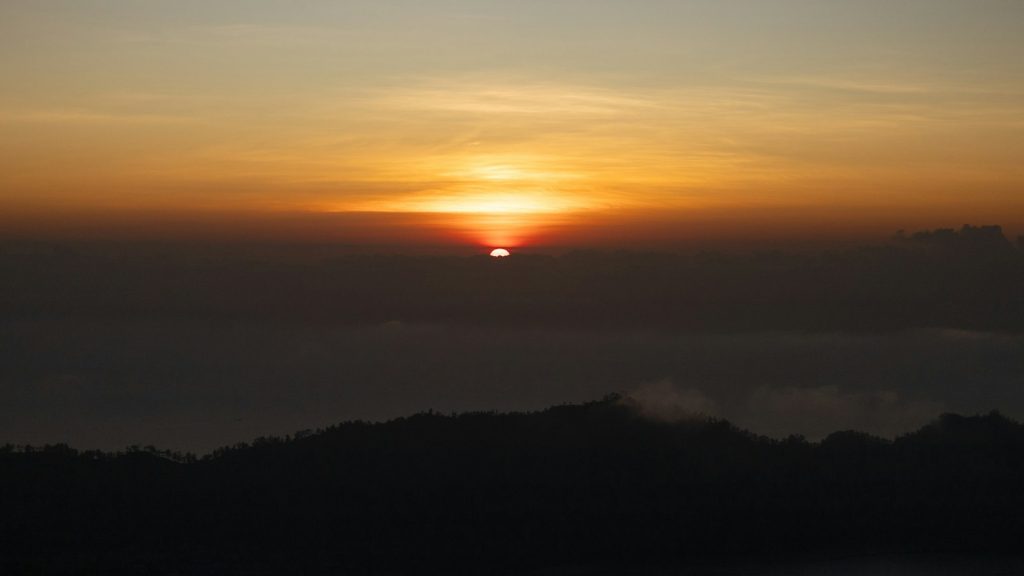
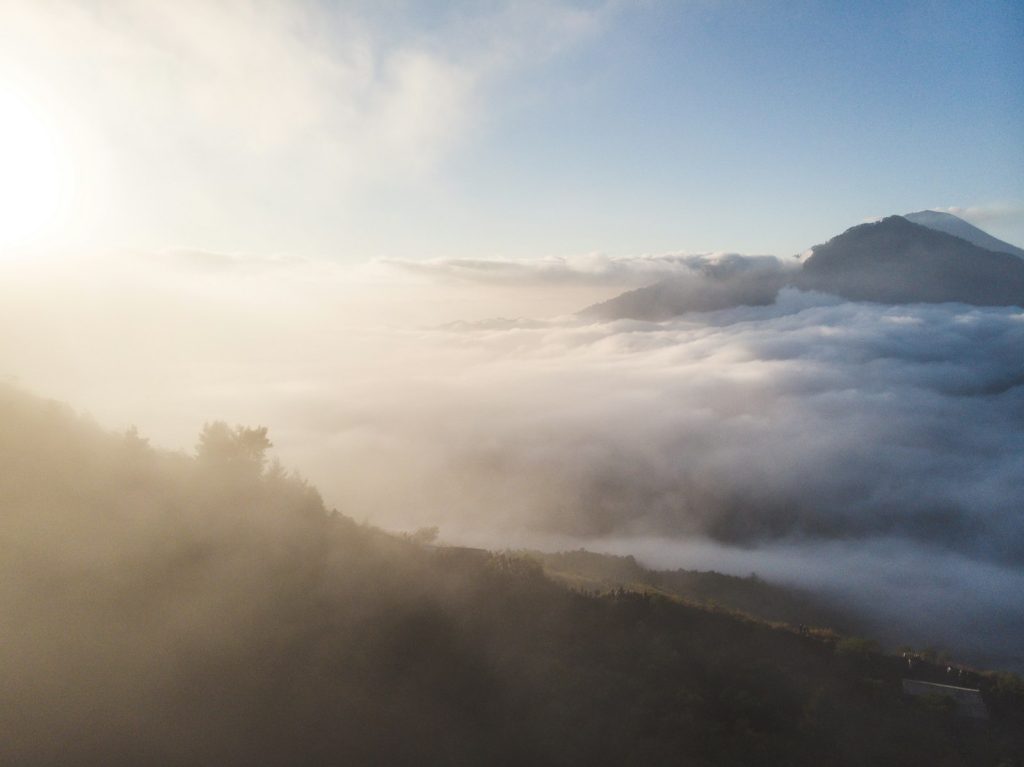
Mount Batur is Bali’s most popular hike: a 1,717-metre active volcano rising from the floor of an enormous ancient caldera in the Kintamani highlands, with the crescent of Lake Batur at its foot. Trekkers set off in the dark with headlamps and reach the rim in time to watch the sun come up behind Mount Abang and Mount Agung, with Lombok’s Mount Rinjani on the horizon when the air is clear.
The whole Batur landscape, caldera, lake, lava fields and villages, is part of the Batur UNESCO Global Geopark. It is a living volcano: steam vents on the summit are warm enough that guides traditionally cook breakfast eggs in them, and black lava flows from 20th-century eruptions are still clearly visible from the top.
What to expect
The standard route gains around 400 metres of elevation and takes 1.5–2 hours up on loose volcanic scree and rocky steps. There are no ropes or technical sections, so most people of average fitness manage it, but the final stretch is steep and dusty. At the top you wait at viewpoints or warung huts for sunrise; after breakfast many groups walk part of the crater rim before descending by a different path. Hot springs on the lake shore make a good soak afterwards.
Remember that sunrise is not guaranteed. In the wet season, and sometimes even in August, cloud can sit on the summit and you may see nothing but mist. Good operators will still make the trek worthwhile with crater-rim walks, and the drive home through the caldera at first light is spectacular in itself. Groups can be large on peak mornings, with hundreds of headlamps snaking up the trail, so a weekday climb is noticeably calmer.
How to visit
- Hiking with a licensed local guide is compulsory; the local trekking guide association controls access and fees, so book through a reputable operator or your hotel.
- Typical packages include hotel pickup (around 01:00–02:30 from South Bali or Ubud), guide, entrance fees, headlamp and a simple summit breakfast. Confirm what’s included before paying.
- A 4WD jeep sunrise tour to the lava fields is an alternative for non-hikers.
- Check for any volcanic activity alerts before booking; access can be restricted.
Etiquette & dress
Dress for cold: temperatures at the summit before dawn can drop close to 10°C, and wind makes it feel colder. Wear proper trainers or hiking shoes, a fleece or light down jacket and a rain shell. Carry out all rubbish, stay with your guide, and keep off unstable crater edges. Small shrines on the mountain are sacred; don’t sit on or photograph them disrespectfully.
Combine it with
- Batur natural hot springs on the lake shore at Toya Bungkah.
- Pura Ulun Danu Batur, the great lake temple on the caldera rim.
- Tegallalang Rice Terraces and Tirta Empul on the drive back to Ubud.
- Coffee plantations along the Kintamani road.
Good to Know
- A licensed guide is mandatory, book through a reputable operator
- Bring warm layers; the summit is cold before dawn
- Wear real shoes, the scree is loose and dusty
- Dry season (Apr–Oct) gives the clearest sunrise
- Finish with a soak at the lakeside hot springs
- Jeep tours available if you'd rather not hike
Know Before You Go
Getting there
Trailheads are in the Kintamani caldera around Toya Bungkah and Pura Jati, about 1–1.5 hours from Ubud and 2–2.5 hours from South Bali. Almost everyone uses the operator's pre-dawn pickup; self-drivers must still meet a registered guide at the trailhead.
Location
More Places to See
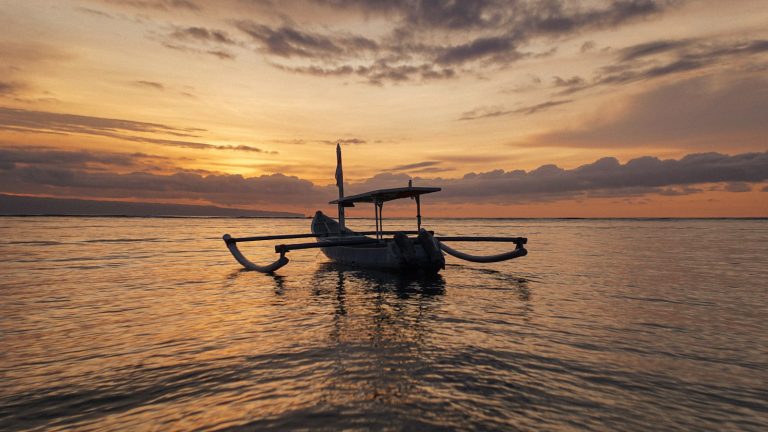
A laid-back stretch of black-sand beaches on North Bali's coast, known for sunrise boat trips to…
Discover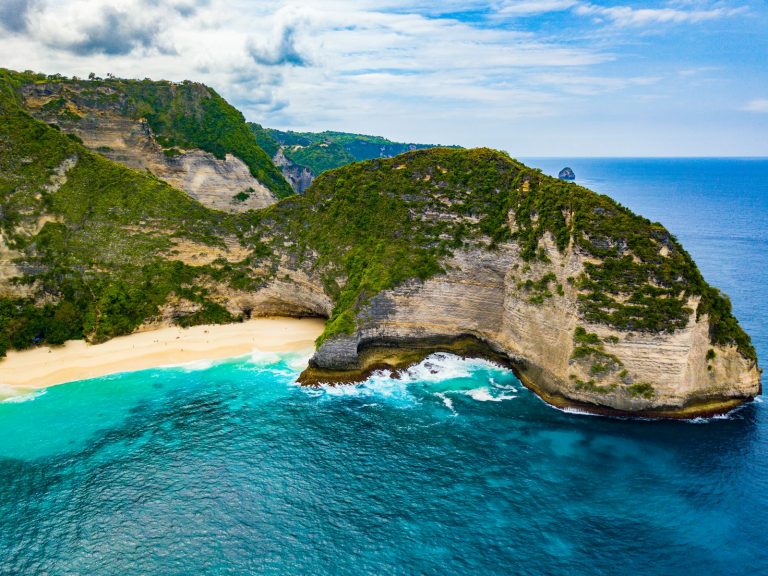
A white-sand cove below sharp limestone pinnacles on Nusa Penida's east coast, reached by a staircase…
Discover
A tall, easily reached waterfall on the mountain road to Singaraja, surrounded by jungle and clove…
Discover