
Tanah Lot Temple
Gallery 5 photos

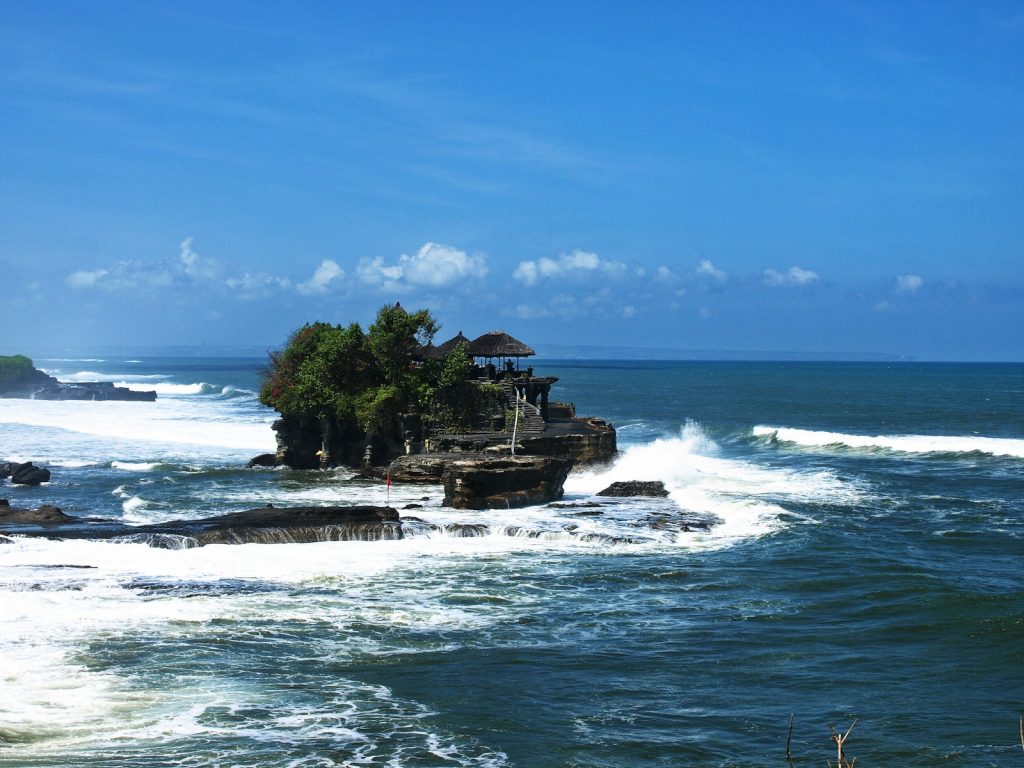
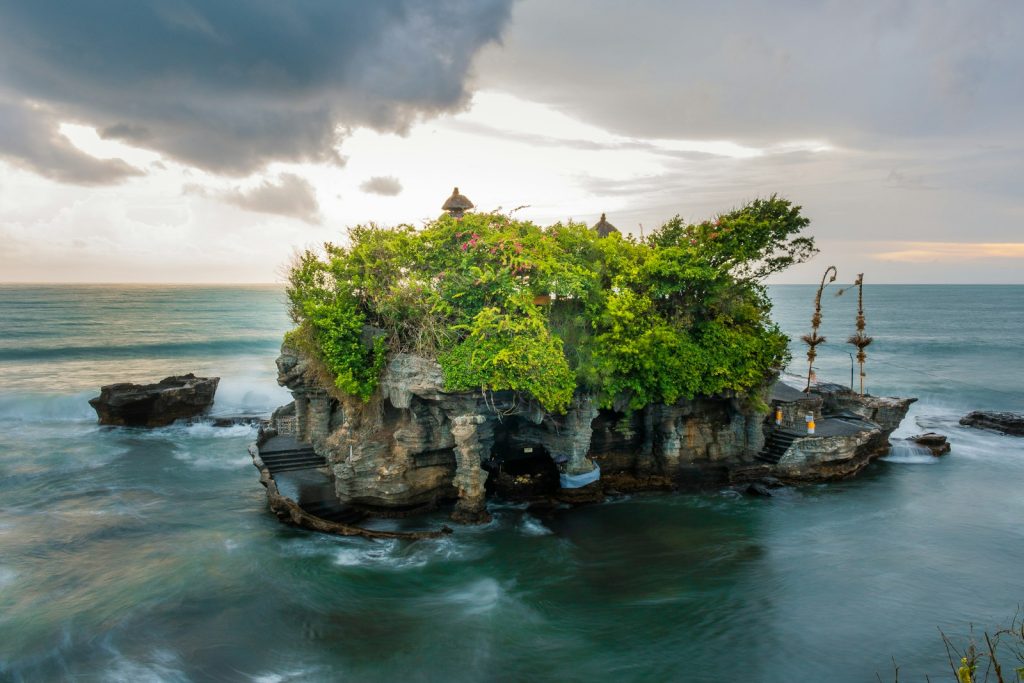
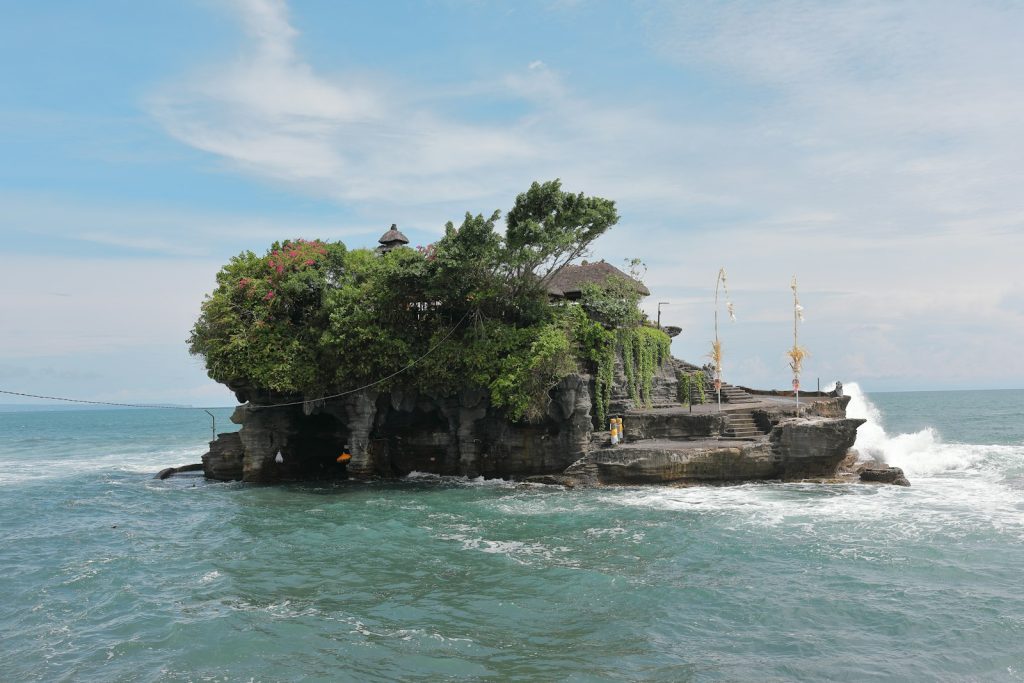
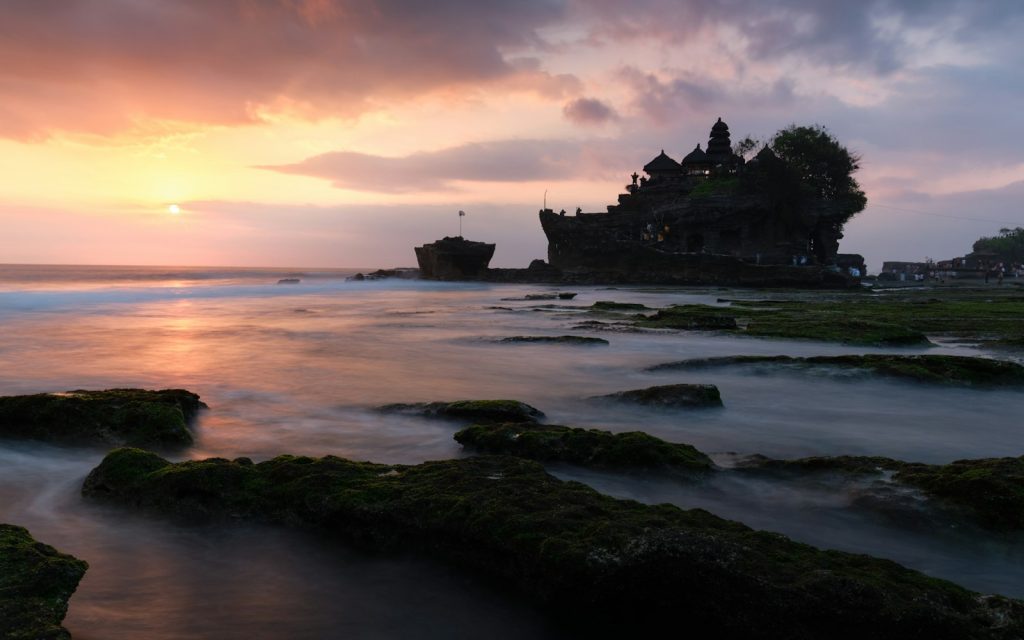
About
Tanah Lot is the most photographed temple in Bali: a small shrine complex sitting on a jagged outcrop of rock just off the black-sand coast of Tabanan, cut off from the mainland whenever the tide rises. Its name loosely means “land in the sea”, and at high tide the whole rock looks like it is floating in the Indian Ocean surf.
The temple is one of a chain of sea temples (pura segara) along Bali’s southwest coast, each said to be within sight of the next, that together guard the island from the spirits of the sea. It is managed by the local Beraban village community, which also runs the landscaped visitor park, market lanes and cliff paths that surround it. Arrive for sunset and you will share the view with thousands; arrive early morning and you may have the rock almost to yourself.
History & meaning
Balinese tradition credits the temple’s founding to the 16th-century Javanese priest Dang Hyang Nirartha, who is said to have rested on the rock during his travels and advised local fishermen to build a shrine here to the sea deities. Venomous black-and-white sea snakes living in the rock crevices are regarded as its guardians. At the base of the rock a freshwater spring rises from beneath the ocean; priests offer visitors a sprinkle of this holy water and a grain-of-rice blessing in exchange for a small donation. A short walk north along the cliffs brings you to Pura Batu Bolong, a second shrine set on a natural rock arch.
How to visit
- Tickets are bought at the main gate; bring cash in small denominations. The foreign adult fee rose to IDR 100,000 in April 2026.
- Check a tide table: at low tide you can walk across the sand to the spring cave at the foot of the rock. At high tide the crossing is impossible.
- The temple sanctuary on top of the rock is reserved for worshippers; visitors stay at the base.
- For sunset, claim a spot on the cliff-top cafés or lawns an hour early. A kecak performance is staged in the evening at the site’s amphitheatre for a separate ticket.
- Avoid major holidays and the temple anniversary (odalan), held every 210 days, when crowds swell with worshippers.
Etiquette & dress
No sarong is required to walk the grounds, but dress modestly, especially if you want to receive the spring-water blessing. Do not climb on the shrines or step over offerings on the ground. If a ceremony is taking place, stand back, keep your head below the level of the priests and never use flash or a drone over worshippers. Menstruating women are traditionally asked not to enter temple areas. The rock and surrounding reef are slippery, so wear sandals with grip and watch for rogue waves on the platform.
Combine it with
- Pura Batu Bolong, the rock-arch shrine a 10-minute cliff walk away.
- Taman Ayun Temple in Mengwi, about 30 minutes inland, for royal-era architecture.
- Canggu and Pererenan beach bars, 30–45 minutes south, for dinner after sunset.
- Jatiluwih Rice Terraces and Ulun Danu Beratan as a full-day Tabanan loop.
Good to Know
- Go at low tide to reach the holy spring at the rock base
- Arrive 60–90 minutes before sunset to beat the crowds to cliff viewpoints
- Cash only at the ticket gate, bring small notes
- Walk north to Pura Batu Bolong's rock arch
- Mornings are far quieter and cooler for photos
- Expect heavy traffic from Canggu/Seminyak around 17:00
Know Before You Go
Getting there
Tanah Lot is on the Tabanan coast west of Canggu, about 30–45 minutes from Canggu and 60–90 minutes from Seminyak or Kuta depending on traffic. Most visitors come by private driver or Grab/Gojek; returning after sunset, rides can be scarce, so arrange a driver to wait. Scooters and cars use the large paid car park by the entrance.
Location
More Places to See
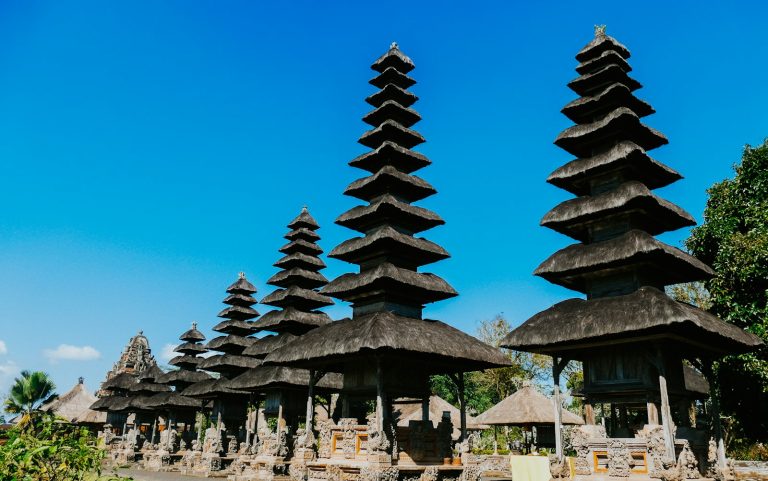
The 17th-century royal temple of the Mengwi kingdom, surrounded by a moat and gardens and part…
Discover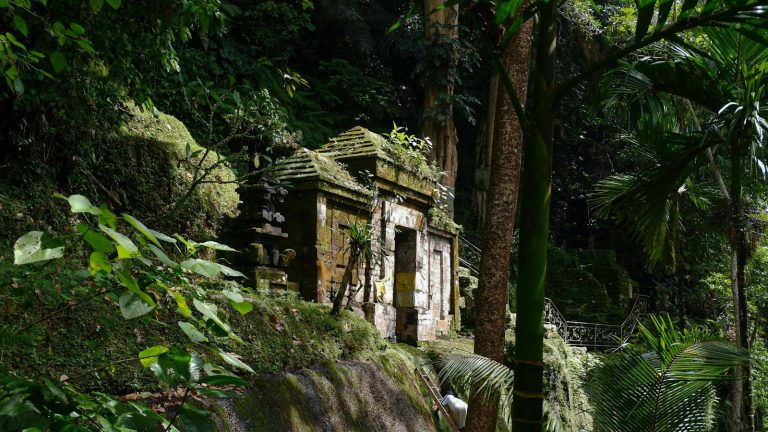
An 11th-century sanctuary with a demon-mouthed cave, holy bathing pools and forest paths down to the…
Discover
A sacred mountain sanctuary in East Bali whose split gate frames Mount Agung, the island's most…
Discover