
Ulun Danu Beratan Temple
Gallery 5 photos
About
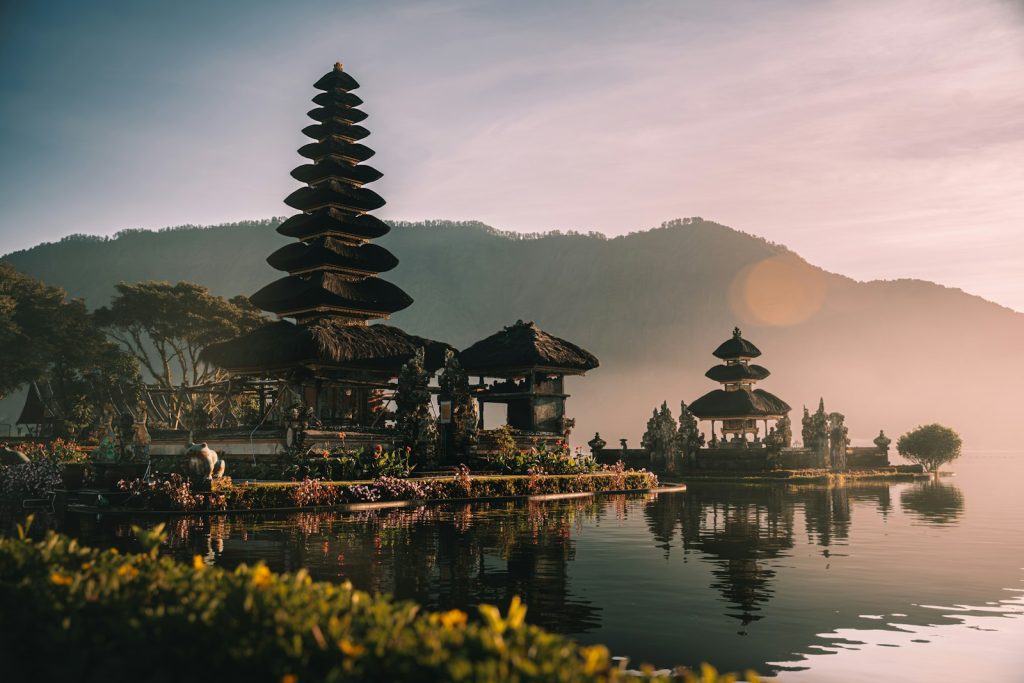
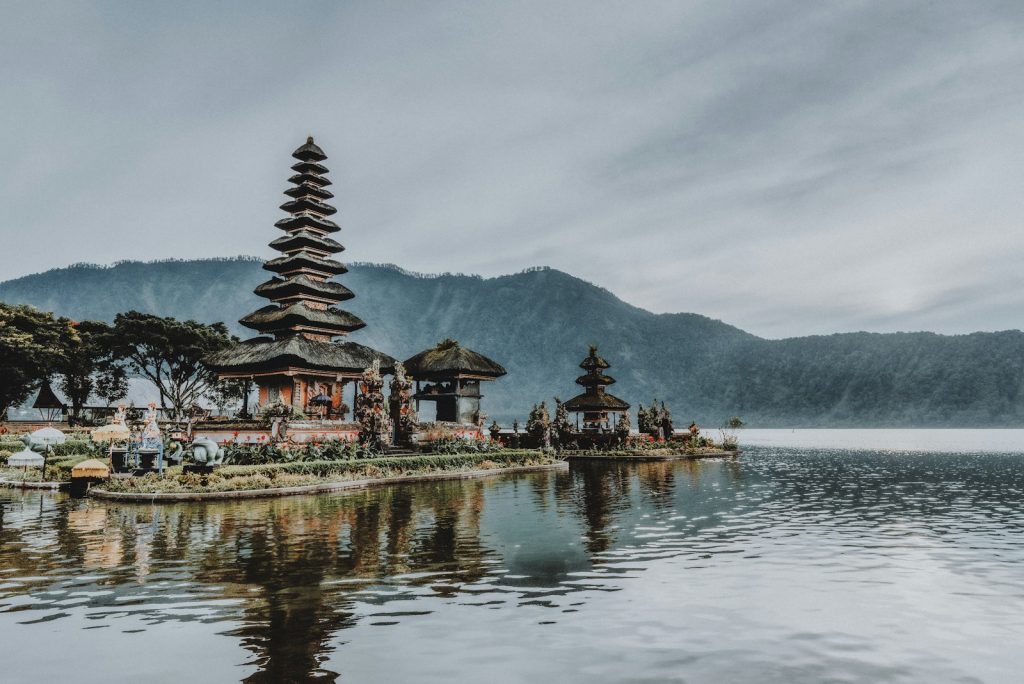
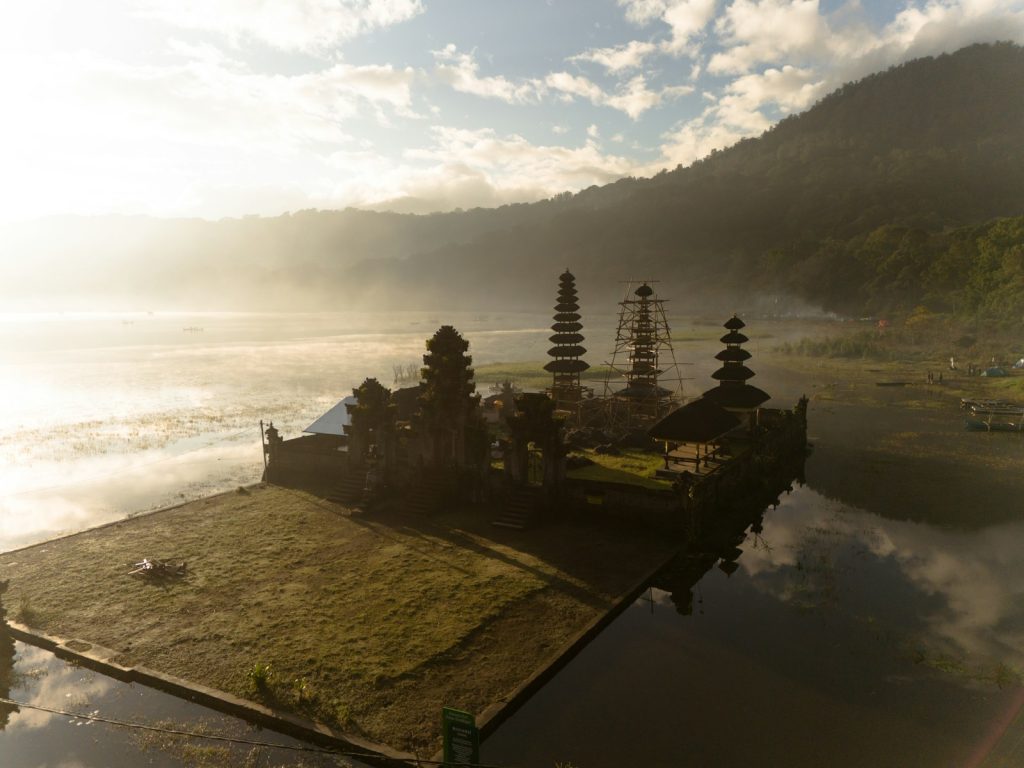
Pura Ulun Danu Beratan sits on the western shore of Lake Beratan in the Bedugul highlands, roughly 1,200 metres above sea level. When the lake is full, its slender tiered shrines stand on small islands just off the shore and seem to float on the water, backed by forested volcanic hills and, often, drifting mountain mist. It is one of Bali’s most recognisable images and appears on the Indonesian IDR 50,000 banknote.
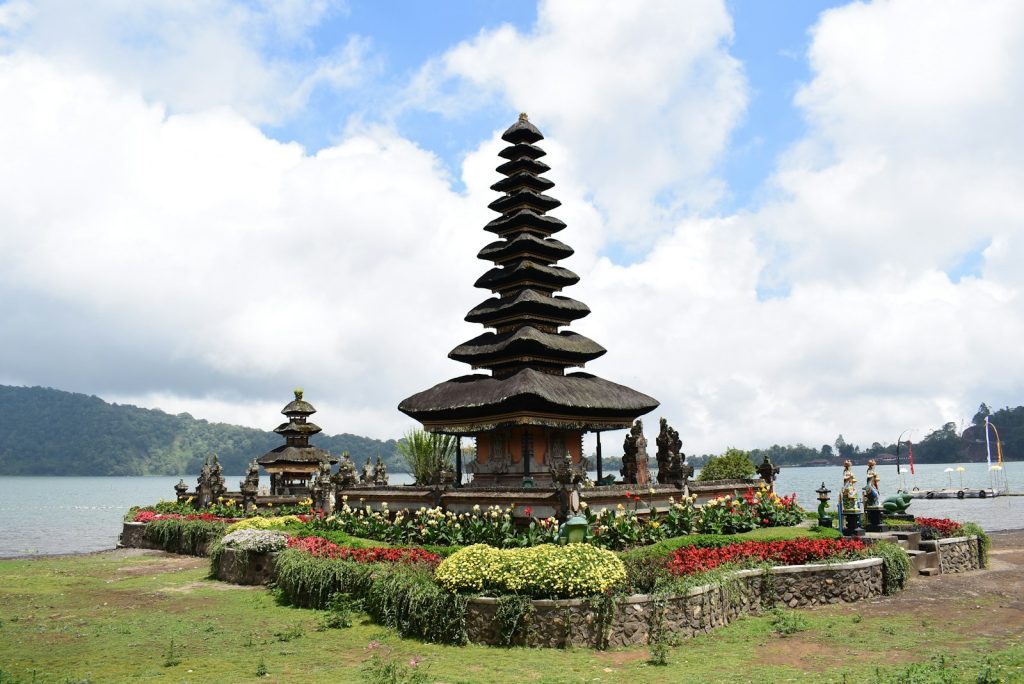
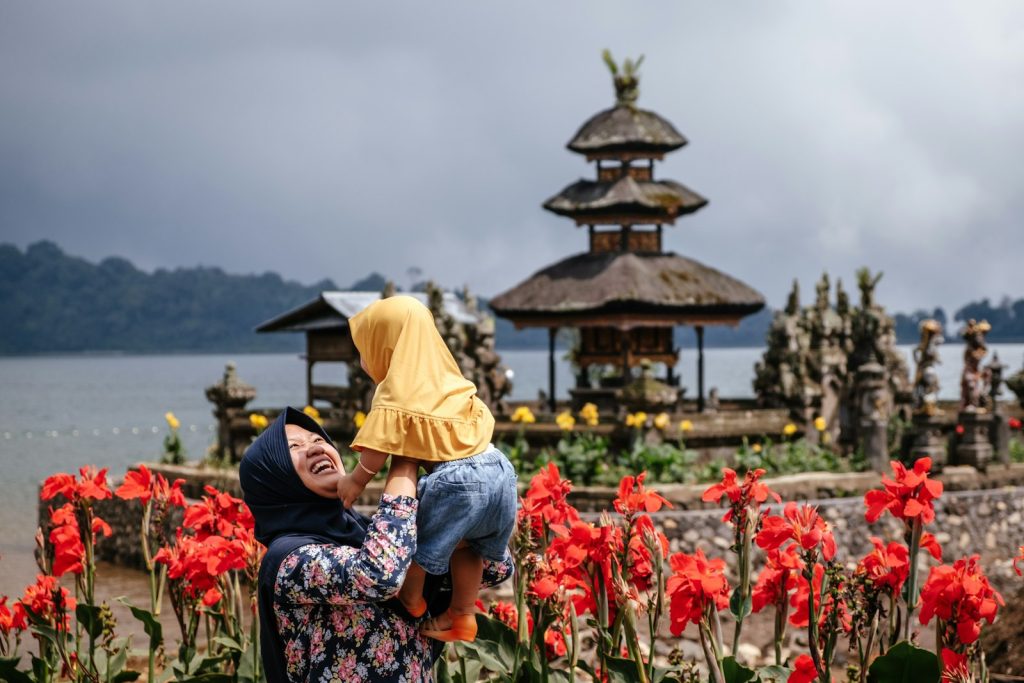
The temple is dedicated to Dewi Danu, the goddess of the lake and water, and is central to the island’s irrigation-based agriculture: the crater lake feeds springs and rivers that water rice fields and subak cooperatives downstream. The landscaped lakeside park around it, with lawns, flowerbeds and statues, makes it a relaxed family outing as well as a sacred site.
History & meaning
The temple was founded in the 17th century (generally dated to 1633) by a king of Mengwi, the same royal house that built Taman Ayun. Its most striking feature is the eleven-tiered meru on the island shrine, dedicated to Shiva and his consort Parvati, alongside a three-tiered meru for Vishnu. Farmers from across the region bring offerings here to ask for sufficient water, and major ceremonies involve processions to the lake.
How to visit
- Tickets are sold at the entrance; prices for foreign visitors increased in July 2026 to IDR 100,000 per adult.
- Come early. By 10:00 tour groups arrive from South Bali, and the morning is usually the clearest time before clouds roll in.
- Boats, including traditional canoes and swan pedal boats, can be hired from the shore for a view back at the temple.
- It is noticeably cooler up here; bring a light jacket, especially in the wet season.
- Traditional costume rental for photos is offered by vendors in the grounds.
Etiquette & dress
Visitors walk the gardens and lakeshore but cannot enter the inner worship courtyards, so no sarong is required, but dress modestly and avoid swimwear or very short clothing. Don’t climb on shrine walls or statues for photos, keep quiet around worshippers, and do not step over offerings. Drones need permission. If a ceremony is taking place, watch from a respectful distance and keep off the processional paths.
The lake level varies with the season. At the end of a long dry spell the water can recede and leave the shrines standing on land, which is less photogenic; after rains the “floating” effect is at its best.
Allow time to wander the whole park rather than heading straight to the famous viewpoint. Quieter corners along the southern lawns give equally good views of the shrines, and a small Buddhist stupa within the grounds reflects the area’s history of religious tolerance.
Combine it with
- Bali Botanic Garden in Candikuning, 5 minutes away.
- Candi Kuning Market for strawberries, fruit and flowers.
- Handara Gate and the twin lakes Buyan and Tamblingan on the road north.
- Jatiluwih Rice Terraces or Git Git Waterfall for a full-day circuit.
Good to Know
- Arrive around 07:00 for mist and reflections
- Bring a light jacket, it's cool at 1,200 m
- Take a boat out for the classic view
- Pair with the Botanic Garden and fruit market
- Best 'floating' effect when the lake is full after rains
- Inner shrines are closed to visitors, no sarong needed
Know Before You Go
Getting there
The temple is on the main Denpasar–Singaraja road in Candikuning, Bedugul, about 1.5 hours from Ubud and 2–2.5 hours from South Bali via winding mountain roads. Most visitors come with a private driver; there's a large car park at the entrance.
Location
More Places to See
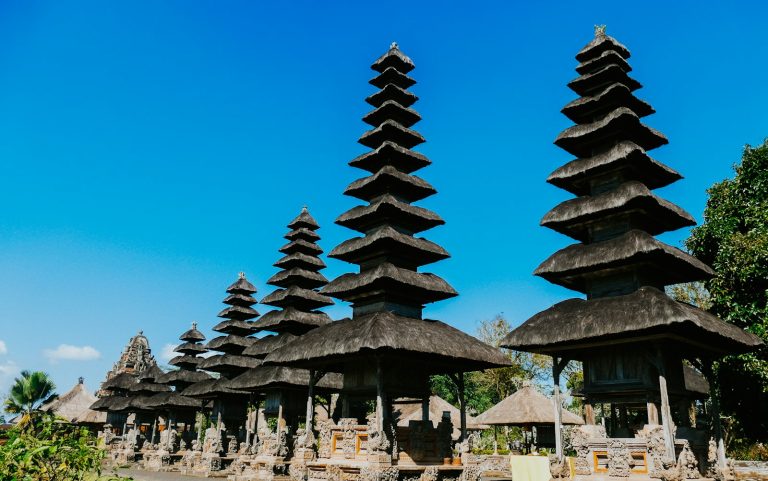
The 17th-century royal temple of the Mengwi kingdom, surrounded by a moat and gardens and part…
Discover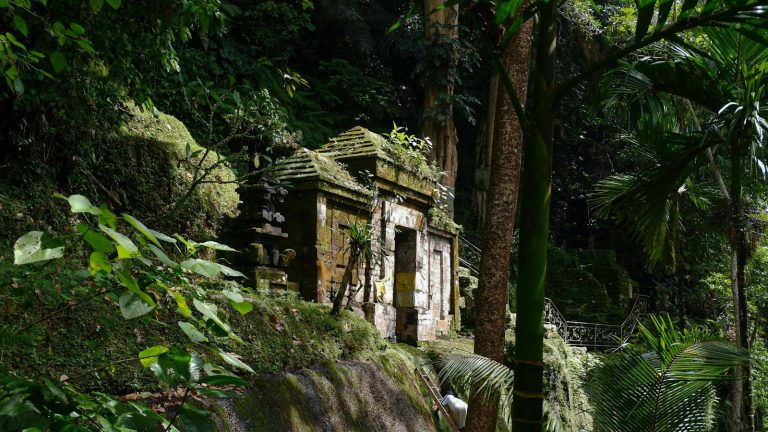
An 11th-century sanctuary with a demon-mouthed cave, holy bathing pools and forest paths down to the…
Discover
A sacred mountain sanctuary in East Bali whose split gate frames Mount Agung, the island's most…
Discover