
Uluwatu Temple
Gallery 5 photos
About
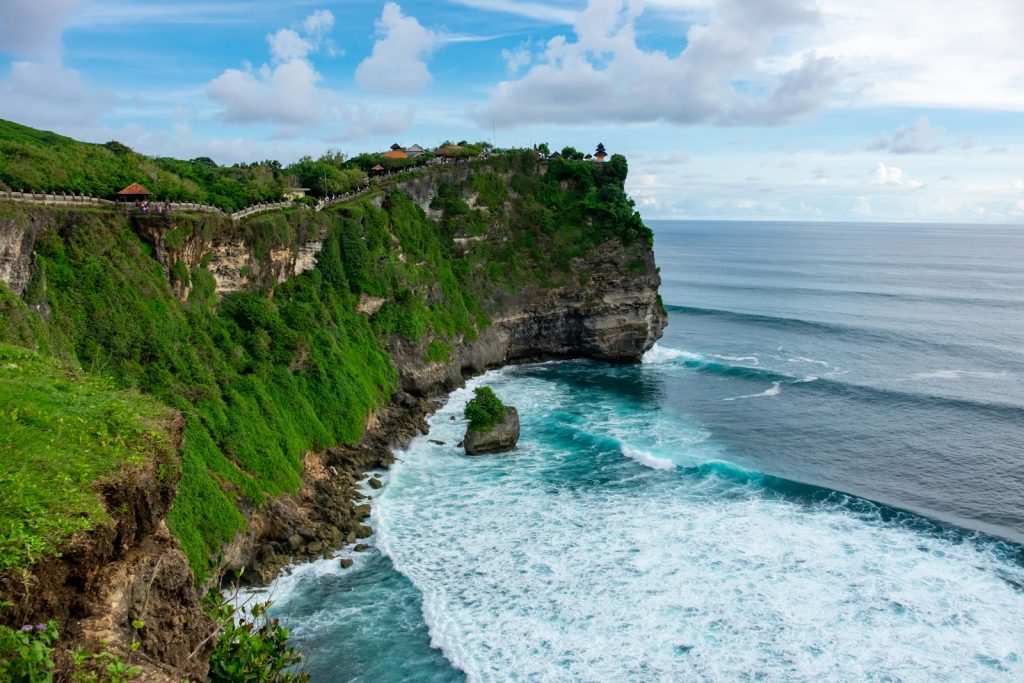
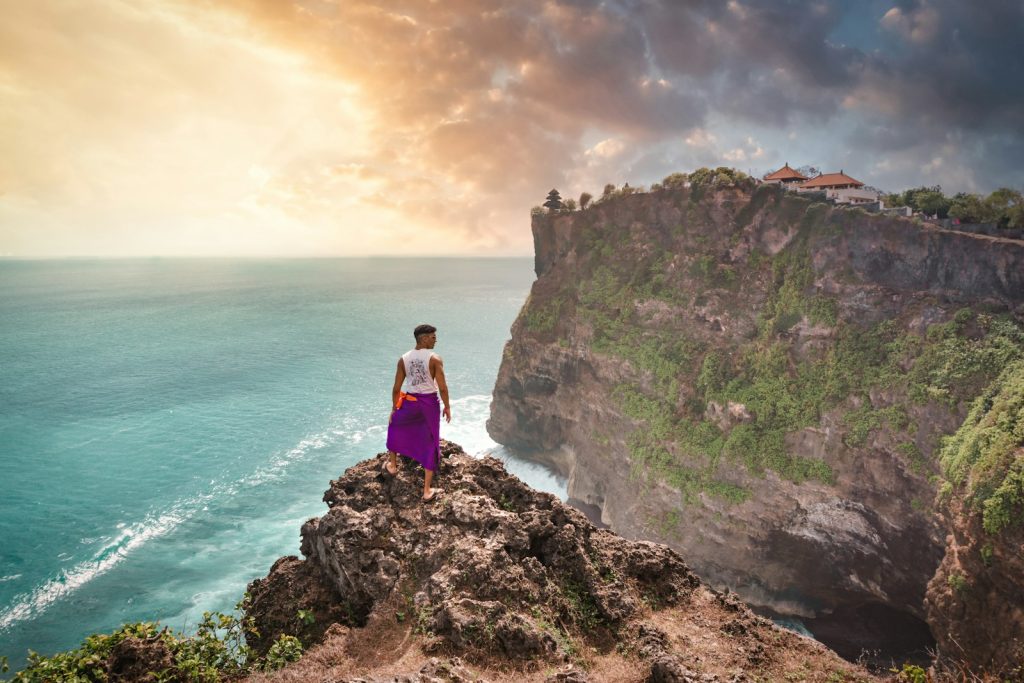
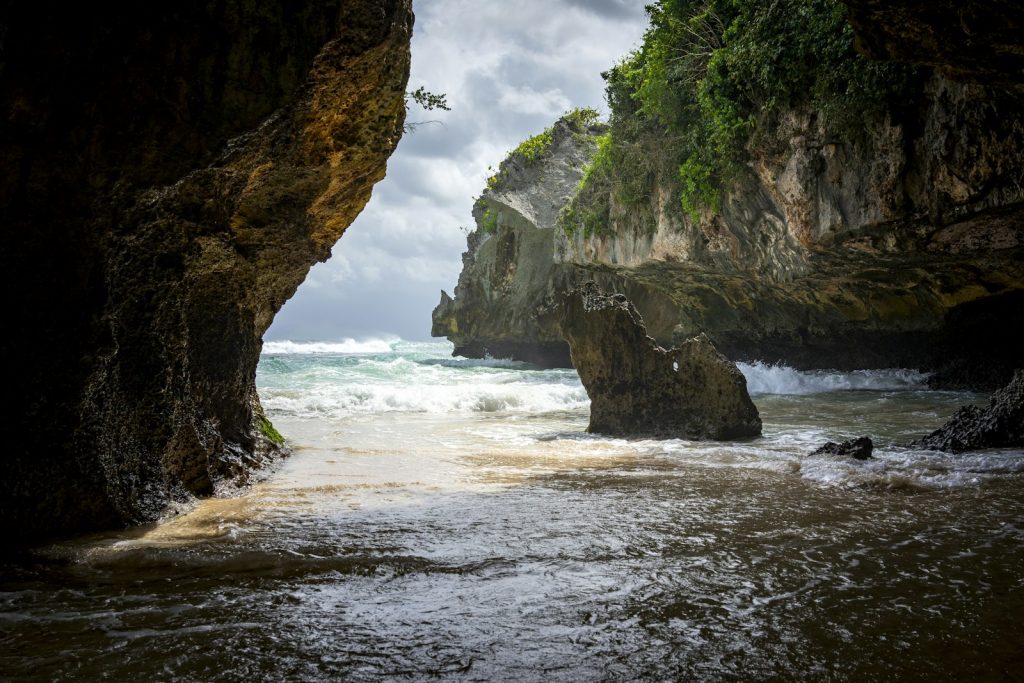
Pura Luhur Uluwatu is one of Bali’s six great directional temples (sad kahyangan jagad), a sacred sanctuary protecting the island’s southwest. It stands at the tip of the Bukit Peninsula on the edge of a sheer limestone cliff roughly 70 metres above the Indian Ocean, where swells from the open sea explode against the rocks below.
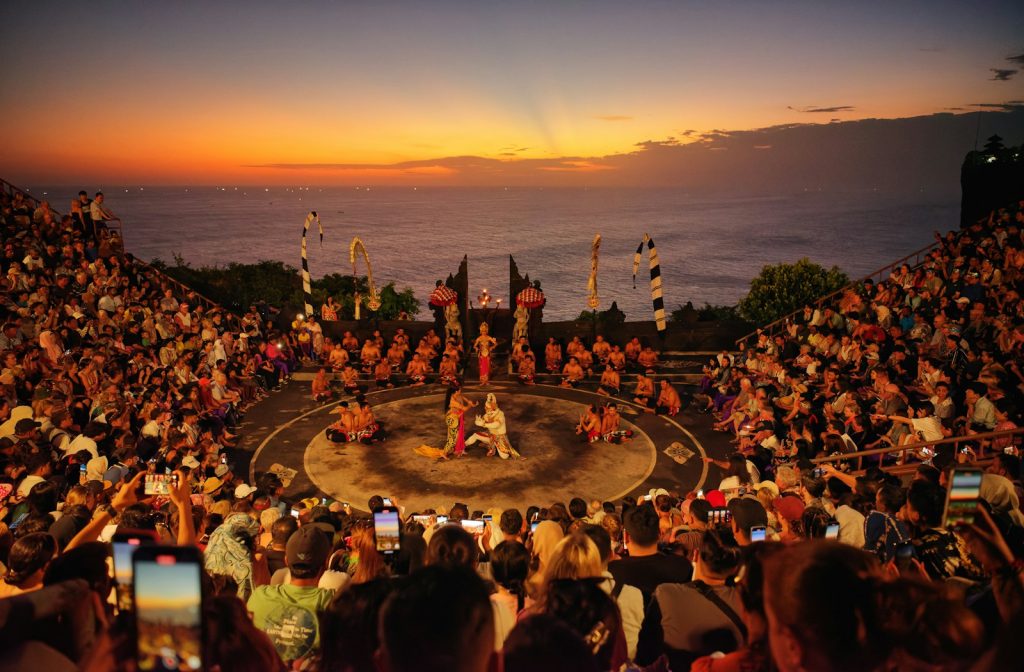
For visitors the appeal is threefold: the dramatic clifftop paths with views along the Uluwatu coastline, the resident troop of long-tailed macaques, and the famous Kecak performance staged in an open-air amphitheatre as the sun drops into the sea. The temple itself is modest in size and its inner courtyard is open only to worshippers, but the setting is unforgettable.
History & meaning
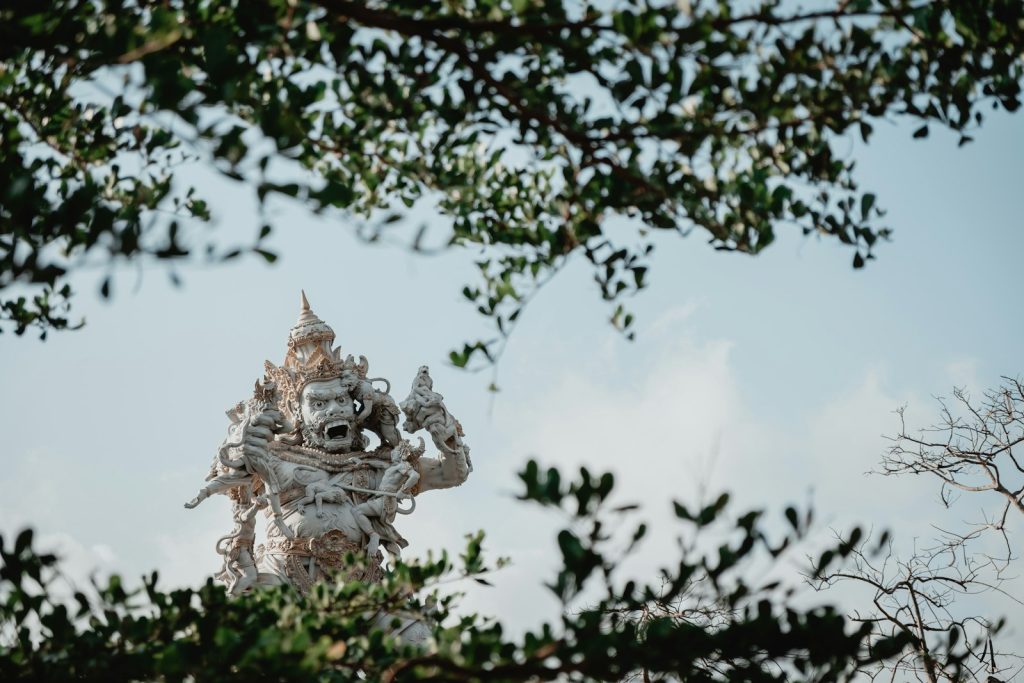
A shrine is believed to have existed here since around the 11th century, and the site was expanded in the 16th century by the priest Dang Hyang Nirartha, who according to Balinese belief attained spiritual liberation (moksa) on this cliff. The temple is dedicated to Rudra, the aspect of Shiva associated with the southwest. The Kecak dance you will see, with its circle of chanting men and a retelling of the Ramayana, was developed in the 1930s from older trance rituals and has become a Bali classic.
The performance lasts about an hour. Dozens of bare-chested performers sit in concentric circles and create the entire soundtrack with their voices, chanting the rhythmic “cak-cak-cak” while costumed dancers act out Rama’s quest to rescue Sita from the demon king Rawana. It ends with the white monkey Hanoman scattering burning coconut husks across the stage, so expect smoke and the occasional ember near the front rows.
How to visit
- Buy the entry ticket at the gate (cash and QRIS; international cards are not reliably accepted). Parking is a few thousand rupiah.
- Kecak tickets are sold separately at the amphitheatre box office from late afternoon, or online in advance. Arrive by about 17:00 for a good seat; the show sells out in peak season.
- Walk both the southern and northern cliff paths for different angles on the temple.
- The amphitheatre is unshaded and steep, bring water and a hat.
Etiquette & dress
Sarongs and sashes are handed out at the entrance and must be worn over shorts or short skirts. Cover your shoulders. Stay out of the inner sanctuary and keep clear of worshippers carrying offerings. The monkeys here are notorious thieves: take off sunglasses, hats, earrings and dangling phone straps, zip bags closed, and never carry food. If something is snatched, ask a staff member rather than chasing the monkey, some locals will “trade” fruit to get items back.
Combine it with
- Single Fin or the Uluwatu surf breaks for a drink above the waves before the show.
- Padang Padang and Bingin beaches, 10–15 minutes away, for a swim earlier in the day.
- Garuda Wisnu Kencana Cultural Park, about 20 minutes east.
- Jimbaran Bay seafood dinners on the sand after the Kecak.
Good to Know
- Secure sunglasses, hats and phones, the monkeys snatch them
- Arrive by 17:00 for Kecak seats; sits in full sun
- Walk both cliff paths for the best temple views
- Bring cash or QRIS; cards often not accepted
- Traffic out after the show is heavy, plan a waiting driver
- Sarong and sash are provided free with entry
Know Before You Go
Getting there
The temple sits at the southwestern tip of the Bukit Peninsula in Pecatu, about 30 minutes from Jimbaran, 45–60 minutes from Kuta and 1–1.5 hours from Seminyak or Canggu. Come by scooter, private driver or Grab; post-show ride-hailing pickups are limited, so arrange your return in advance.
Location
More Places to See
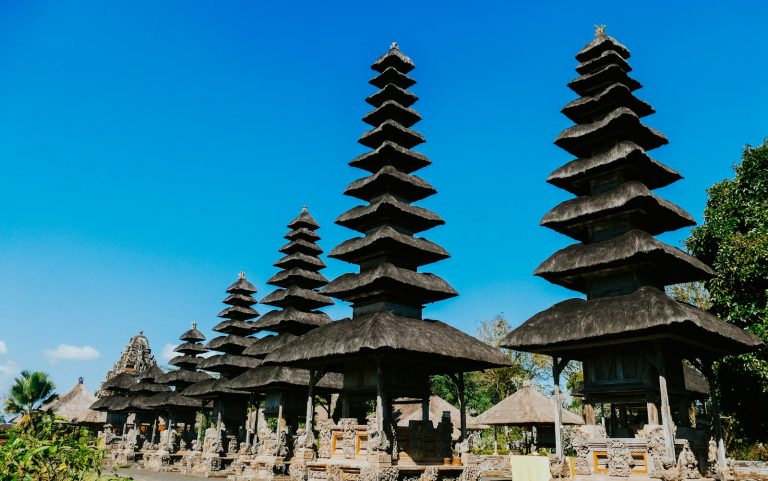
The 17th-century royal temple of the Mengwi kingdom, surrounded by a moat and gardens and part…
Discover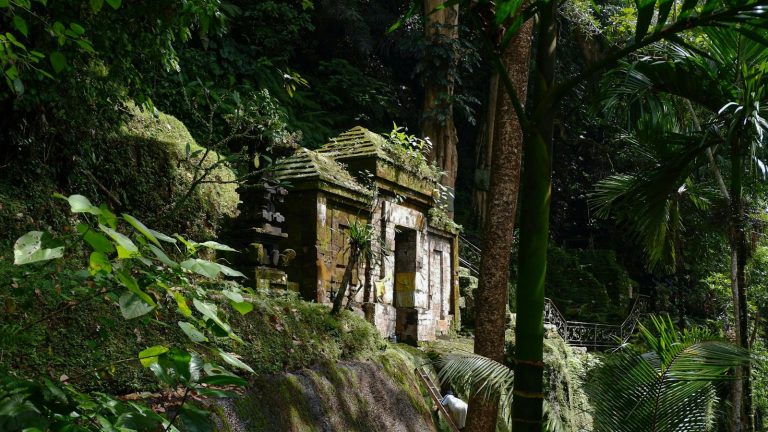
An 11th-century sanctuary with a demon-mouthed cave, holy bathing pools and forest paths down to the…
Discover
A sacred mountain sanctuary in East Bali whose split gate frames Mount Agung, the island's most…
Discover