Bali's products with Geographical Indication status, from coffee and salt to songket and silver, could become attractions in their own right. The Bali office of the Ministry of Law is preparing a geographical indication tourism programme, with new products from Pedawa, Gelgel, Jatiluwih and Jembrana in the pipeline.
Traditional handloom weaving. Photo: Andreas Suwardy / Pexels
Some of Bali’s best souvenirs come with a pedigree. The Bali office of Indonesia’s Ministry of Law (Kanwil Kemenkum Bali) wants products with Geographical Indication (GI) status to become tourist attractions in their own right, ahead of a geographical indication tourism programme planned for 2026.
Speaking at a seminar in Denpasar, office head I Gusti Putu Milawati said GI should not be seen only as legal protection, but also as a way to add economic value for the communities behind each product.
What has a Geographical Indication?
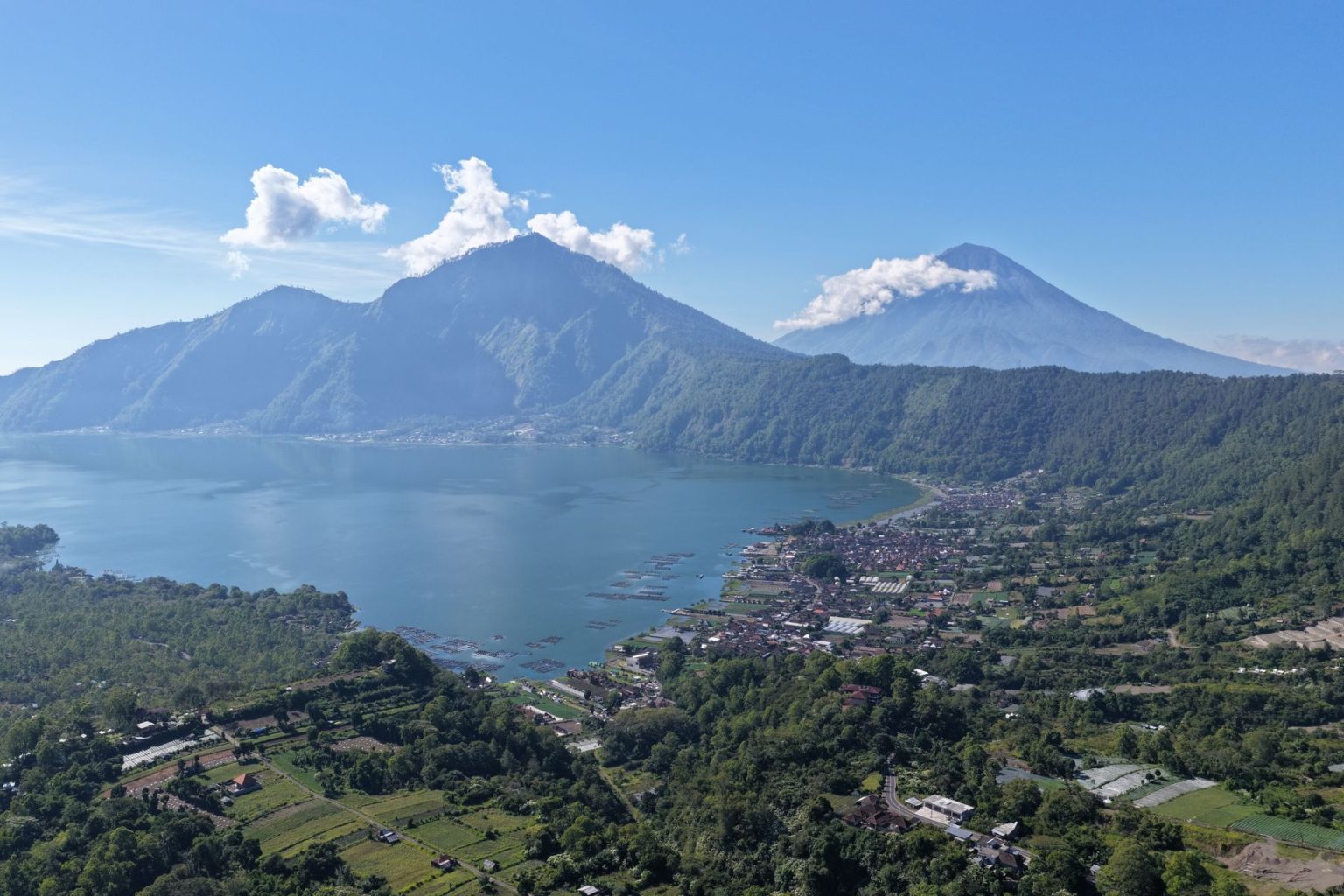
A Geographical Indication protects a product whose character comes from the place it is made, in the same way Champagne can only come from Champagne. Bali has around 16 GI products registered with the national intellectual property office, covering coffee, salak, salt, handicrafts, painting and agate stones. Arabica coffee from the Kintamani highlands is the best known of them.
What is coming next
Two new products are being proposed this year: palm sugar from Pedawa village in Buleleng and songket weaving from Gelgel in Klungkung. Red rice from Jatiluwih and cocoa from Jembrana are set to follow in 2027.
Villages to put on your list
The office also named several crafts as potential highlights, and each is tied to a village you can visit: Kamasan in Klungkung for classical wayang-style painting, Celuk in Gianyar for silverwork, Tenganan in Karangasem for double ikat gringsing cloth, and Amed on the east coast for traditional sea salt.
How to make it a day out
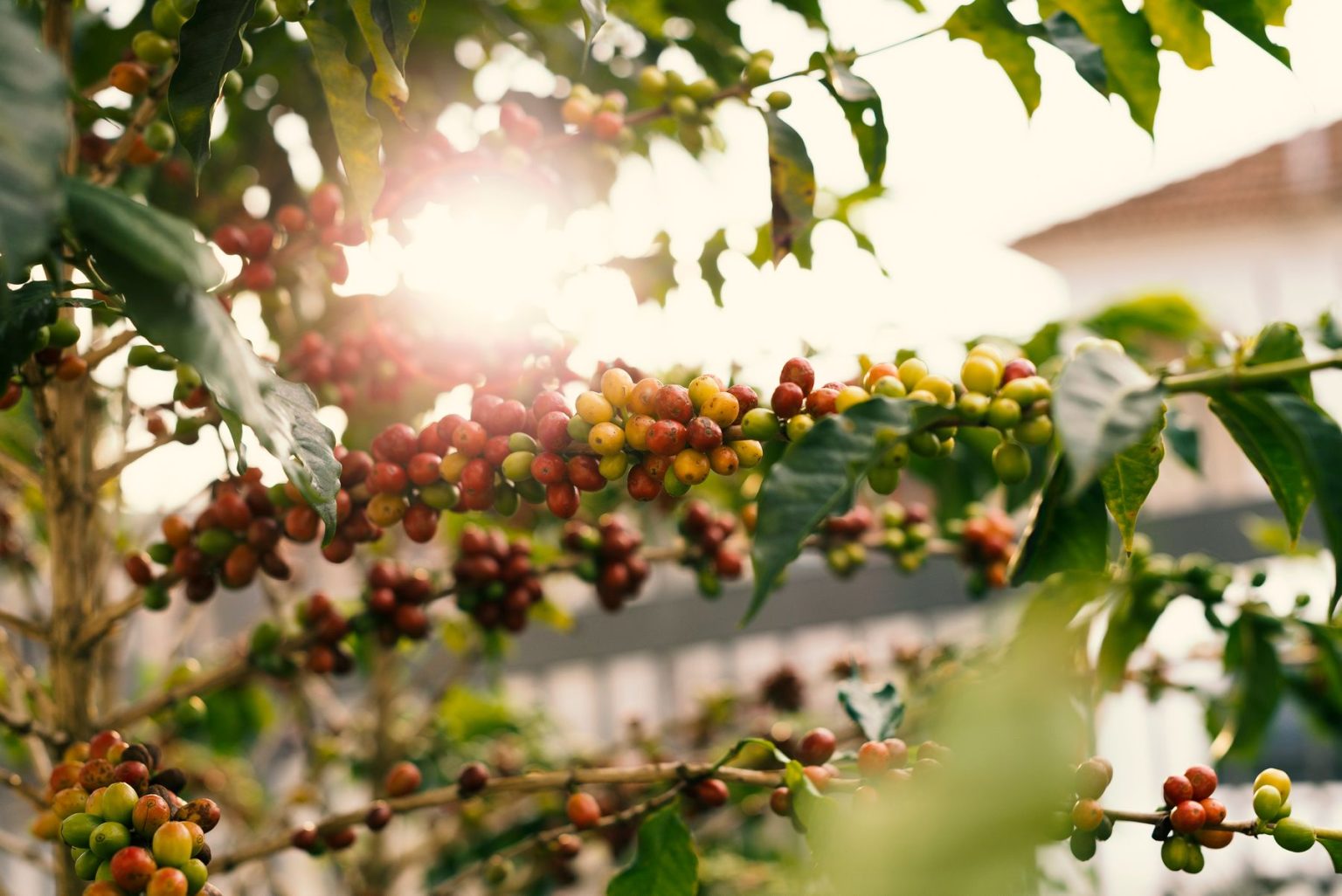
Pair a coffee plantation stop in Kintamani with lunch overlooking Mount Batur, or spend a morning in East Bali moving between Kamasan, Gelgel and Tenganan. For more on the culture behind what you see, read our guide to Canang Sari, and browse things to do in Bali for workshops and tours.